
New Chiropractic Patients

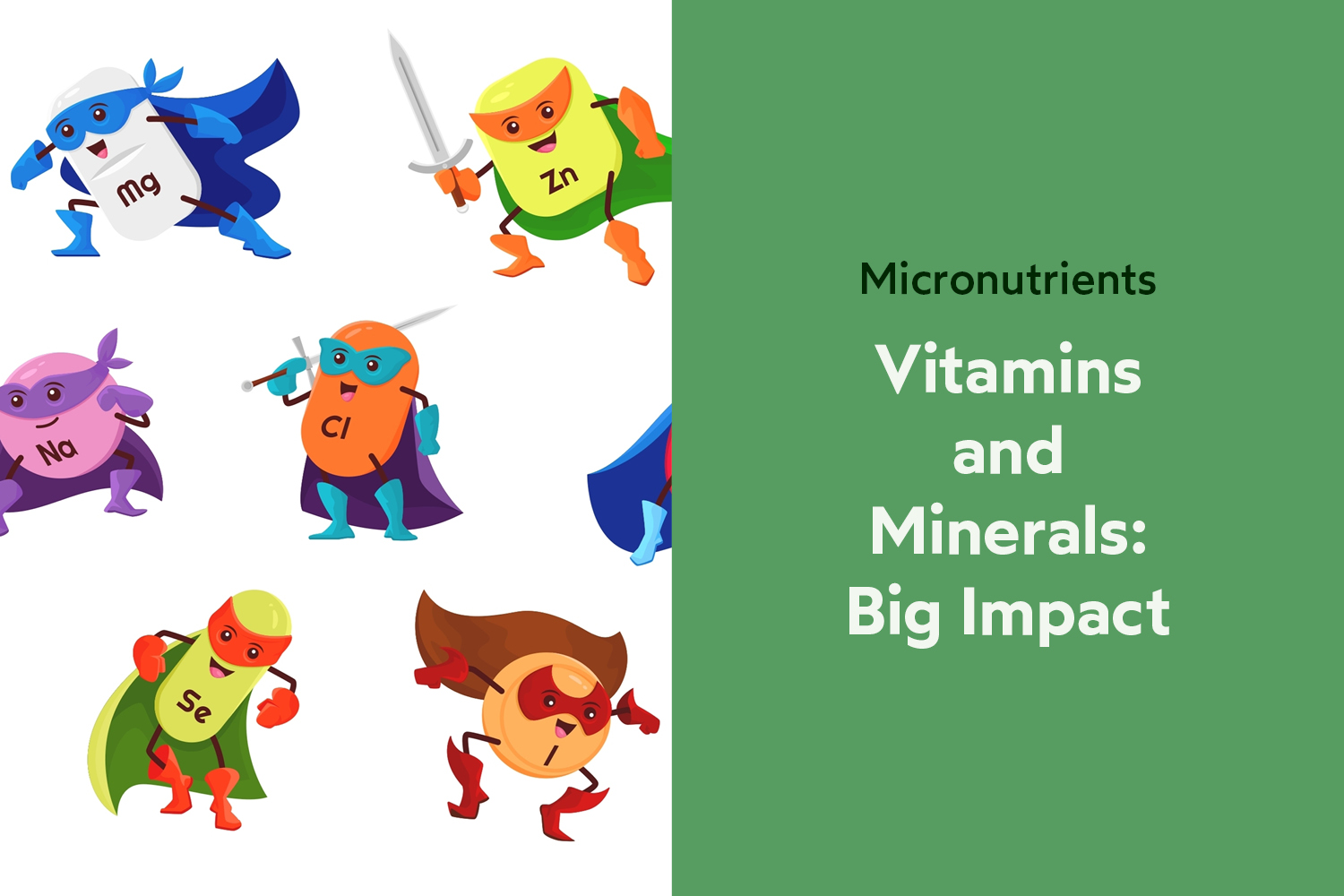
If carbohydrates, proteins, and fats are the fuel that makes your body’s engine run, then vitamins and minerals are the spark plugs, the high-grade oil, and the complex wiring.
You only need them in tiny amounts, but without them, the whole system sputters, stalls, and eventually breaks down.
These micronutrients are the unsung heroes of your health, quietly working behind the scenes to power everything from your immune system to your brain. But in our busy lives, it’s easy to overlook them.
So, let’s give these small but mighty nutrients the spotlight they deserve.
Ah, Vitamin D. The famous ‘sunshine vitamin’. It’s crucial for absorbing calcium, supporting your immune system, and even regulating your mood. Your body is designed to produce it when your skin is exposed to strong sunlight. And therein lies the problem for those of us in the UK.
For about half the year, the sun over the UK isn’t strong enough for our bodies to make the Vitamin D we need. It’s like trying to charge a solar panel in the shade. This is why deficiency is incredibly common.
Public Health England actually recommends that everyone consider taking a daily Vitamin D supplement during the autumn and winter months. It’s one of the simplest and most effective health hacks for UK residents.
You’ve probably heard the term ‘antioxidants,’ but what actually are they?
They are your body’s personal security team. They patrol your system, protecting your cells from damage caused by unstable molecules called free radicals. This damage, or ‘oxidative stress,’ is linked to ageing and a host of health problems.
If vitamins are the spark plugs, minerals are the nuts, bolts, and essential hardware that hold everything together. Three of the most important players are:
The best way to get your vitamins and minerals is, without a doubt, from a varied and colourful diet packed with whole foods. You can’t out-supplement a poor diet. This is the “food first” approach, and it should always be your foundation.
However, sometimes even the best diet can fall short.
Modern farming practices can lead to less nutrient-dense soil, and dietary restrictions or increased needs (like during pregnancy or for athletes) can create gaps. And as we’ve seen with Vitamin D, sometimes your environment makes it nearly impossible to get what you need from natural sources alone.
This is where smart supplementation comes in.
Walking into the supplement aisle can feel like stepping into a chaotic library where all the books are shouting at you. It’s overwhelming. But you can navigate it with a few simple principles.
Vitamins and minerals are the details that make the bigger picture of your health clear and vibrant.
This isn’t about chasing perfection or obsessing over every single milligram. It’s about understanding the crucial roles these micronutrients play and making small, consistent choices to support your body.
Building a foundation of good nutrition, focusing on whole foods first and using supplements wisely to fill any gaps, is fundamental.
When your body is properly nourished from the inside, it has the resources it needs to heal, thrive, and get the absolute most out of the structural care we provide.
