
New Chiropractic Patients

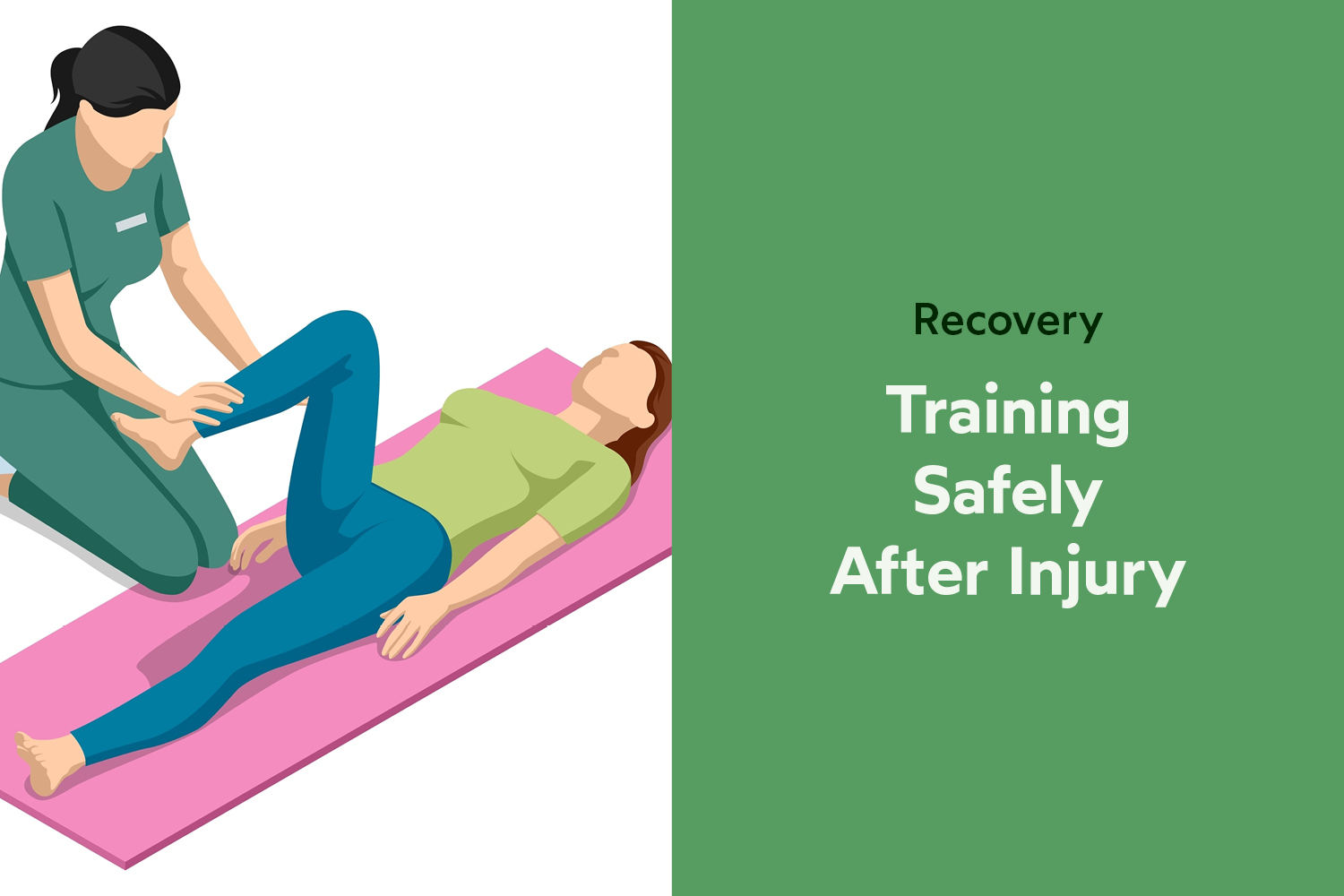
Dealing with an injury can be incredibly frustrating. It can feel like all your progress has vanished overnight, leaving you disconnected from your body and your goals.
The temptation to push through the pain or return to your old routine too quickly is strong, but this often leads to setbacks.
Recovery is not a fight against your body. It is a partnership that requires patience, awareness, and respect for your current limits.
Returning to exercise safely means training intelligently, not just training hard. It calls for a new mindset built around awareness, control, and gradual progress.
A key part of recovery is learning to recognise the difference between productive discomfort and true injury pain.
Productive discomfort feels like muscle fatigue or the burning sensation you get from exertion. It fades as your muscles recover and is part of the normal adaptation process.
Injury pain, by contrast, is sharper and more localised. It may linger long after training, appear suddenly during movement, or show up as a deep ache around a joint or tendon. This type of pain is your body’s warning signal. It indicates that a tissue is under more stress than it can handle.
Understanding this distinction helps you make smart choices during training. Productive discomfort builds you up, while pain that feels sharp or persistent is a signal to stop and reassess.
An injury does not mean you have to stop moving altogether. In fact, maintaining some level of activity can aid both your physical and mental recovery. The key is to train around the injury and focus on what you can safely do.
If your shoulder is recovering, lower body and core training can continue without aggravation.
If your knee is injured, seated upper body work or gentle mobility exercises can keep you active.
By staying engaged in training, you maintain strength, circulation, and confidence, which all contribute to faster healing.
It also helps to incorporate low-impact activities such as swimming, cycling, or resistance band work. These allow you to move without excessive strain while keeping your heart rate up and your muscles active.
When you begin reintroducing load to the injured area, do so with care. Start with gentle, pain-free movements that restore range of motion and coordination.
Once that feels comfortable, progress to isometric exercises, where you contract the muscle without moving the joint.
From there, add light resistance, focusing on perfect form and slow, deliberate control. This gradual progression gives tissues time to rebuild strength and tolerance safely. Avoid rushing the process. Progress is measured in small, consistent steps rather than sudden leaps forward.
Your aim should be to move without pain, not to match your pre-injury performance straight away. Patience at this stage pays off in long-term durability.
Injury recovery is also a valuable opportunity to improve how you move. Often, your body develops subtle compensations to avoid pain, shifting the workload to other muscles. If left uncorrected, these patterns can lead to future problems.
Focus on proprioception, your body’s sense of position and movement. Slow, controlled exercises that challenge your balance and coordination help retrain this connection. Simple drills, such as standing on one leg or performing movements with eyes closed, can improve body awareness and joint stability.
The ultimate goal is not only to regain strength but to move with confidence, efficiency, and control.
While these principles can guide your approach, they are no substitute for expert assessment. If you experience sharp pain, significant swelling, or restricted movement, seek advice from a qualified professional such as a physiotherapist, chiropractor, or sports medicine specialist.
A professional can provide an accurate diagnosis, explain the nature of your injury, and design a tailored rehabilitation plan to guide your recovery safely. They can also monitor your progress and make chiropractic adjustments as needed, ensuring every step forward is sustainable.
Pain is information, not an enemy. By listening to it, respecting your body’s limits, and following a structured plan, you can return to training stronger, smarter, and more resilient than before.
