
New Chiropractic Patients

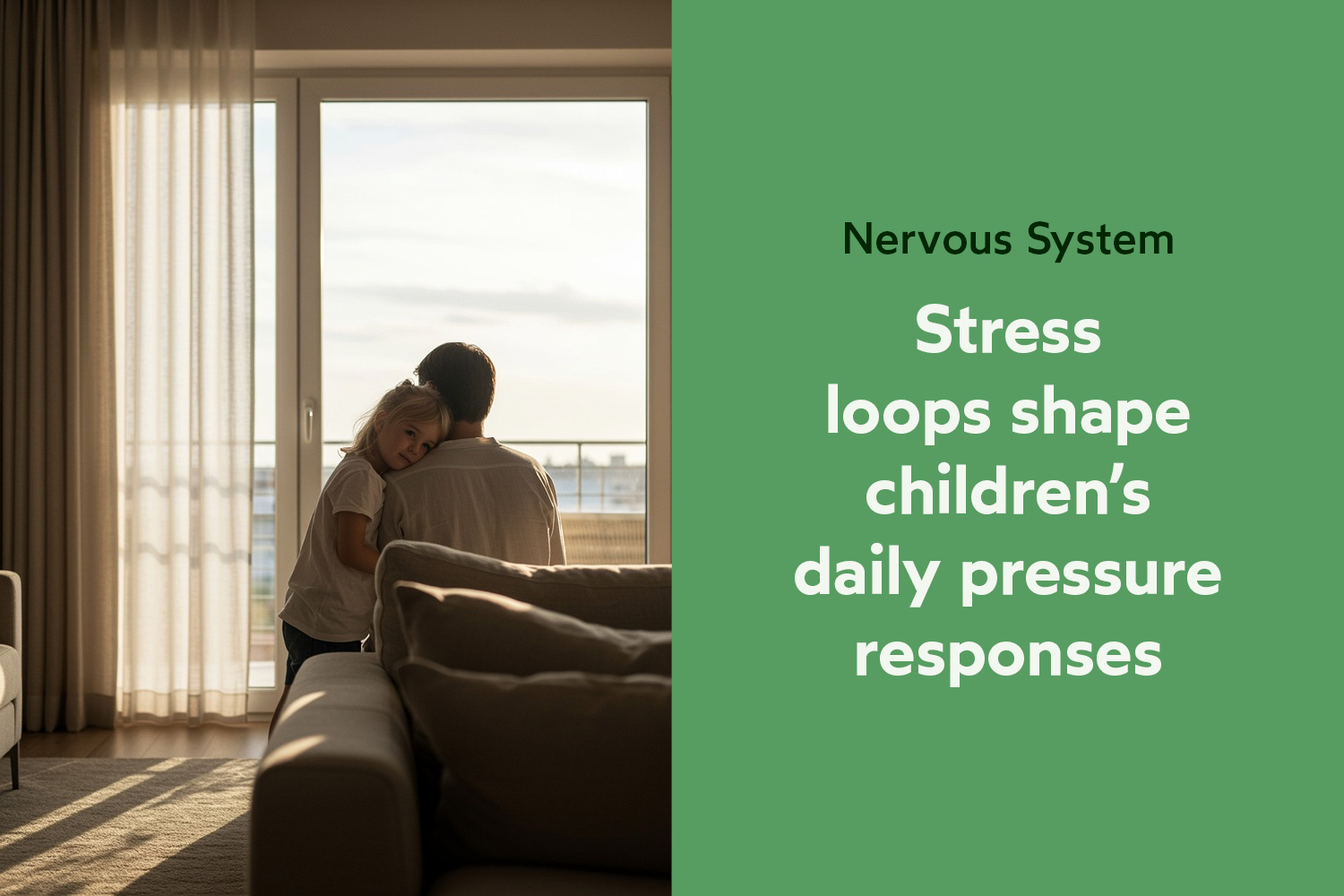
When we look at how children navigate the world, we tend to focus on milestones, schoolwork, or moods. What is less obvious is how their body handles the physical pressures that come with all that activity.
Stress isn’t just an emotional experience for children but something their whole body responds to, even if they don’t have the words to explain it. Gentle chiropractic care focuses on this exact physical reaction, helping the spine release the tightness that builds up when a child is overwhelmed.
When a child’s nervous system can handle stress well, it gives their body the stability they need for learning, movement, and daily transitions. When that system is overloaded, you will quickly see it change how they move, sleep, and behave.
A child’s nervous system isn’t only designed for sudden alarms. Its real strength lies in how it holds steady under ongoing daily strain.
When internal stress rises, it shows up clearly in the way they hold themselves. You might notice their head shifts forward, their shoulders tighten, or their whole frame looks like it’s carrying a heavy load.
These shifts happen because muscles tighten automatically when the nervous system feels under pressure. They are protective habits to keep the spine safe, even though it means your child’s body is working much harder than it needs to.
The nervous system acts like a massive communication highway between the brain and the body, linking physical and emotional responses. When it’s overloaded, your child’s internal energy drains incredibly quickly.
Without that energy, it becomes much harder for them to manage their emotions or settle down for a good night’s sleep. That is exactly when meltdowns, irritability, and extreme exhaustion start to appear.
A tantrum isn’t a sign of a bad kid. It’s simply a sign of a tired body that has completely run out of resources to cope with the day.
Every quiet moment with your child is a chance to help them reset. Sitting with them, talking through a problem, or offering comfort after a hard day all shape how their nervous system settles.
Your own calm state becomes a stabilising force for theirs, helping them move through challenges with far more ease. Simply slowing your breath and holding a steady, gentle tone allows your child’s body to copy your calm.
Chiropractors look closely at how these daily pressures show up physically in a child’s body. Shifts in posture, restricted movement, and shallow breathing are all signs that a child is stuck in a stress loop.
Because the spine houses the main communication pathway of the nervous system, any physical stiffness can disrupt how messages travel between the brain and body.
Gentle adjustments help clear that tension and encourage smoother, easier movement. When the physical body feels safe and free of restriction, the nervous system can finally shift out of survival mode and back into growth and balance.
You don’t need complex strategies to support your child’s wellbeing. Simple, consistent habits always work best for a busy body.
Predictable routines, early bedtimes, open communication, and plenty of unstructured quiet time all help the body stay grounded. Gentle physical activity, like playing outside without a schedule, is also fantastic for unwinding stored tension.
Over time, these steady habits help the nervous system stabilise and protect itself. You will notice smoother transitions between activities, better posture, and a much happier, more resilient child.
