
New Chiropractic Patients

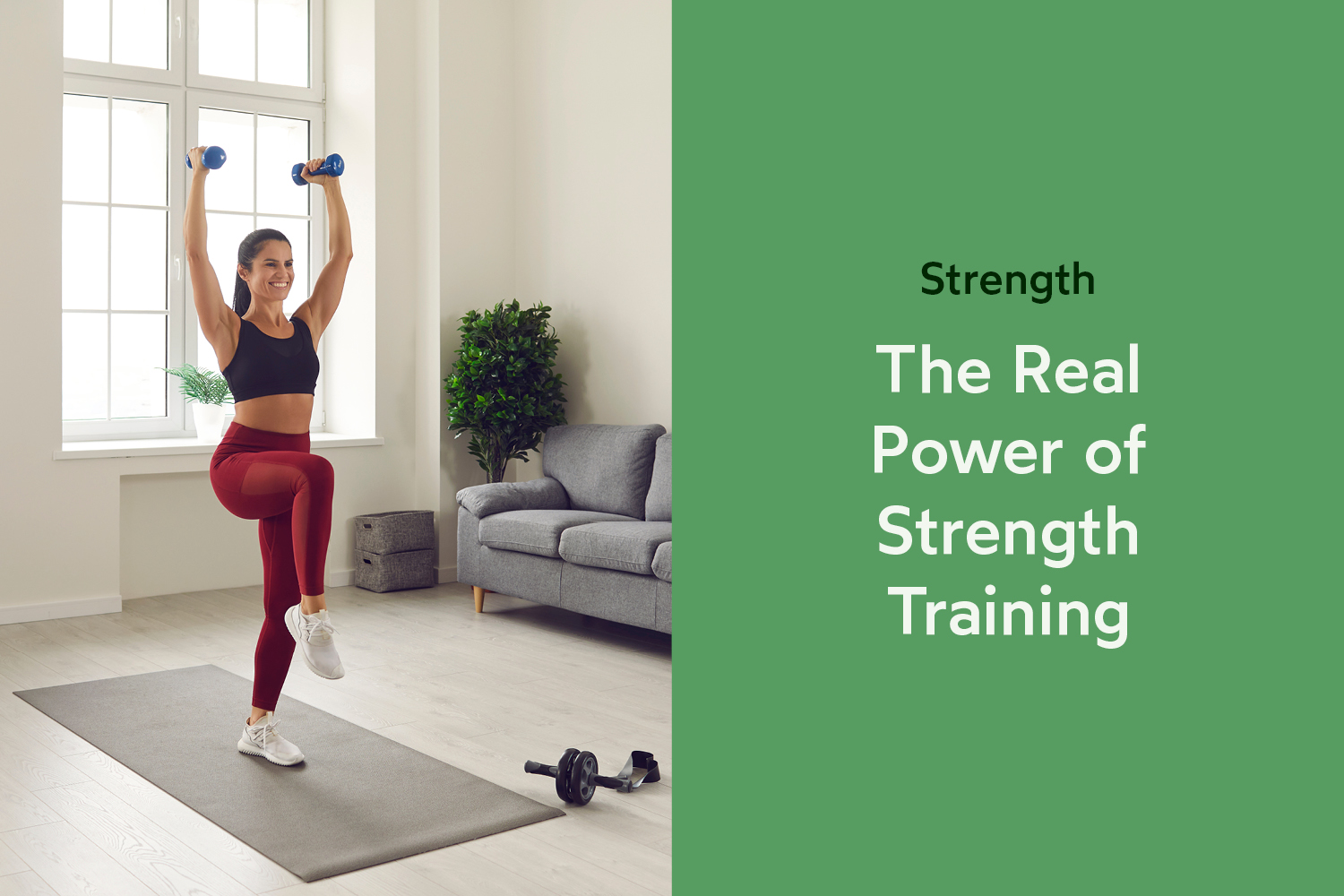
When we hear “strength training,” it’s easy to picture bodybuilders lifting huge weights. But real strength is something everyone can build. It’s one of the kindest, most effective ways to support your body, no matter your age or fitness level.
Strength training helps you move through life with more energy, confidence, and resilience. It supports your health from the inside out, from bones to brain.
That said, let’s look at what the science says, and why it matters for long-term wellbeing.
Many people hesitate to start strength training because of myths or fear. Some worry about getting “bulky.” Others assume it’s only for serious athletes or gym regulars.
In truth, gaining large muscles takes years of intense effort and strict nutrition.
For most people, it’s more about building lean muscle that improves metabolism and makes everyday tasks easier, from carrying shopping bags to playing with children.
You also don’t need heavy weights to benefit from strength training. The key is resistance. That might come from your own body weight, resistance bands, or light dumbbells.
The aim is to challenge your muscles, not exhaust them. Consistent, controlled effort matters far more than the numbers on the weights.
Regular strength work also supports better coordination and balance. This becomes especially important as we age, helping to prevent falls and maintain independence.
Even short sessions two or three times a week, can make a measurable difference in strength, confidence, and mobility.
Stronger muscles are a bonus, but the real impact goes deeper.
When you challenge your muscles, your bones adapt too, becoming stronger and denser. This helps protect against osteoporosis and supports your frame as you age.
Resistance training also strengthens ligaments and tendons.
These connective tissues hold everything together and help stabilise your joints. Healthier joints mean fewer injuries and less day-to-day discomfort.
It’s worth noting that these benefits don’t fade when you stop exercising.
A foundation of strength continues to serve you for years, making daily life easier and movement more comfortable. Think of it as building insurance for your future mobility and independence.
A strong body protects your spine. Core muscles act like natural support, helping to stabilise and reduce pressure on the spinal joints and discs.
Training your back, shoulders, and chest can also correct postural imbalances. Long hours at a desk often cause some muscles to tighten while others weaken. Balanced strength helps you stand taller, move more freely, and ease tension.
Even gentle strength work can improve how you sit, stand, and breathe. Better posture reduces strain on your neck and lower back.
Many people find they have more energy simply because their body moves more efficiently.
Getting stronger isn’t only about physical fitness. It’s about self-belief. Lifting something you couldn’t before, or feeling more capable in daily life, builds confidence.
Strength creates resilience, too. A strong body can handle stress better, recover faster, and stay active for longer. Each step you take adds up, helping you build a healthier, more capable version of yourself.
That sense of progress can be incredibly motivating. Small wins like an extra rep or a slightly deeper squat remind you that your effort is paying off.
Over time, these moments shape a stronger body and a more confident mindset.
You don’t need fancy equipment or a gym membership to begin. Start small and stay consistent.
If you’re new to exercise, even 10–15 minutes twice a week can build momentum. Combine that with a balanced diet and regular movement, and you’ll notice a difference in how you feel and function.
Aim for steady progress. Listen to your body. With time, you’ll build not just muscle, but lasting health and confidence.
