
New Chiropractic Patients

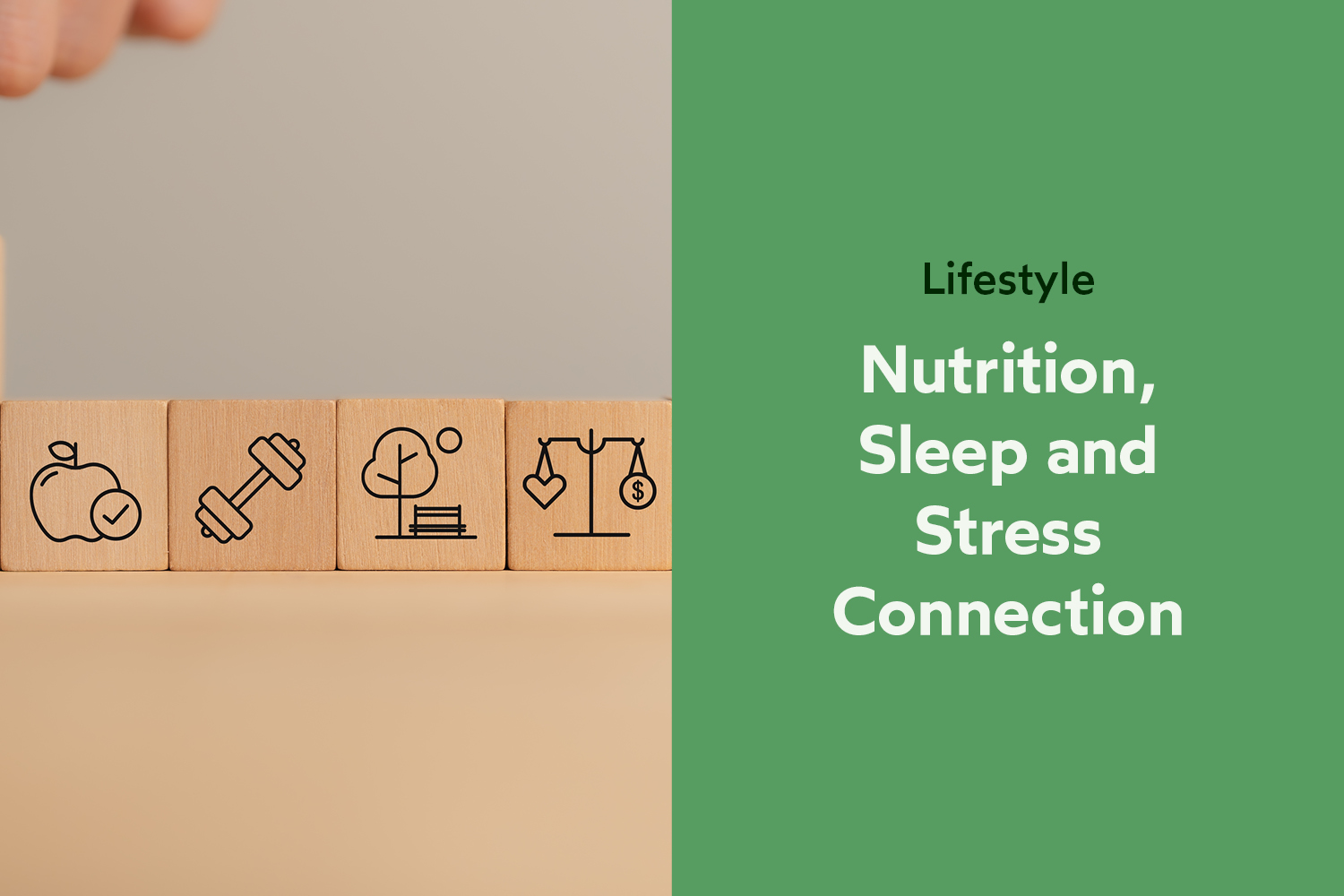
We often treat our health like a collection of separate boxes. There’s the ‘diet’ box, the ‘exercise’ box, the ‘sleep’ box, and the ‘stress’ box. We try to manage each one in isolation, wondering why we’re not getting the results we want.
But your body isn’t a filing cabinet. It’s a deeply interconnected ecosystem where everything affects everything else.
The food you eat doesn’t just impact your waistline; it has a profound and direct effect on the quality of your sleep and your ability to handle stress. When you start to see these connections, you can stop trying to fix the individual boxes and start nourishing the entire system.
A good night’s sleep isn’t just about winding down and switching off your phone. It starts with what you put on your plate long before your head hits the pillow. Certain nutrients are key players in the chemistry of sleep.
Cortisol is your body’s primary stress hormone. In short bursts, it’s essential for survival. But chronic, low-grade stress keeps cortisol levels elevated, leaving you feeling wired, tired, and storing belly fat. Your diet can either fan these flames or help to calm them.
A diet high in processed foods and sugar puts your body on a blood sugar rollercoaster, which is a physical stressor that can elevate cortisol. Conversely, a diet rich in whole foods provides the nutrients your body needs to manage stress effectively.
Vitamin C (found in peppers and citrus) and B vitamins (found in whole grains and leafy greens) are particularly important for supporting your adrenal glands, which are responsible for your stress response.
We’ve all reached for the biscuit tin after a tough day. This is emotional eating, and it’s a powerful example of the gut-brain connection in action.
When you’re feeling stressed, sad, or bored, your brain seeks a quick hit of dopamine, the reward chemical. High-sugar, high-fat comfort foods provide that hit, making you feel better for a fleeting moment.
The problem is the inevitable crash that follows, often accompanied by feelings of guilt, which only adds to the initial stress. Breaking this cycle isn’t about willpower; it’s about awareness.
By practising mindful eating, you can start to ask yourself: “What am I truly hungry for?” Sometimes the answer isn’t food, but a walk, a chat with a friend, or a few deep breaths.
Caffeine and alcohol are two of the most common ways we try to manipulate our energy and mood. They can be enjoyable parts of life, but it’s crucial to understand the trade-offs, especially when it comes to sleep and stress.
True health isn’t about perfecting one area of your life in isolation. It’s about recognising that nutrition, sleep, and stress are three legs of the same stool. When one is wobbly, the others are affected.
The good news is that this interconnectedness works both ways. Improving your diet can lead to better sleep, which in turn makes you more resilient to stress. This creates a positive upward spiral where small, smart choices in one area create benefits across your entire well-being.
This is the holistic approach…seeing the bigger picture and understanding that the whole is truly greater than the sum of its parts.
This philosophy is at the very core of what we do. A healthy, aligned nervous system works best when it’s supported by a body that is well-fed, well-rested, and well-managed.
Ready to look at the bigger picture of your health? Book an appointment with the team at Evolve Chiropractic and let’s build your holistic path to wellness together.
