
New Chiropractic Patients

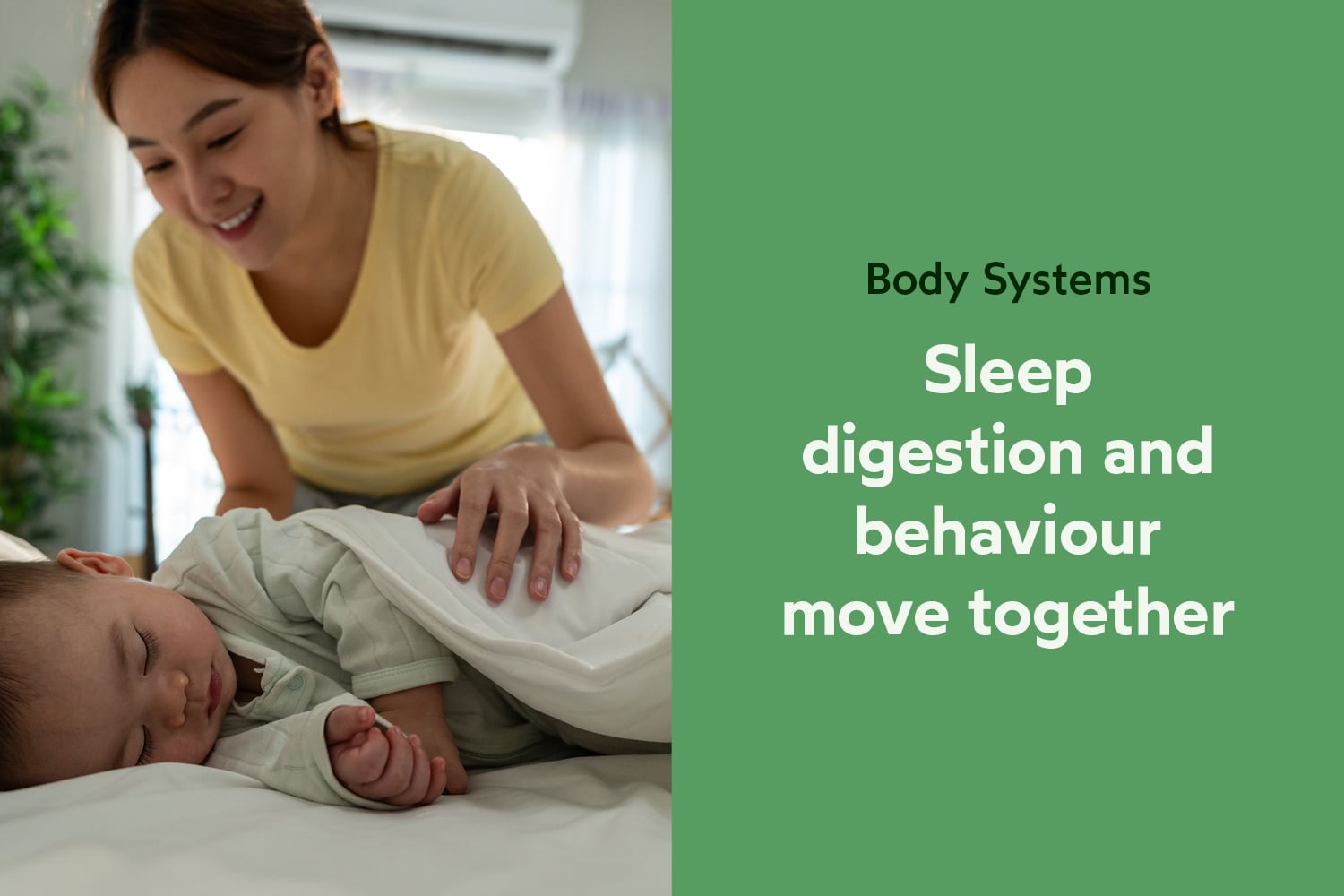
When a child struggles to settle, you often see changes in their tummy or their moods too. These patterns might at first appear to be separate issues, but the truth is that they’re deeply linked through the nervous system.
Sleep, digestion, and behaviour always move together because they share the same control centre. When one area is struggling, the others quickly feel the strain.
Gentle chiropractic adjustments focus on this exact connection, helping the spine and nervous system release the tension that disrupts these everyday functions.
The autonomic nervous system runs everything that happens automatically, like breathing, heartbeat, and processing food. For a child to feel settled, their body needs regular access to a calm, restful state.
When this system is working smoothly, daily rhythms feel much easier. The body knows exactly when to be active and when to slow down. This creates a peaceful foundation for deep sleep, comfortable digestion, and balanced behaviour.
When a child’s system feels under pressure, it shifts out of that restful state and goes on high alert. Digestion slows down because the body is focusing its energy elsewhere. This often shows up as wind, a tight tummy, or general discomfort.
That same internal tension can make things like bedtime a real battle. Your child might be exhausted but because their stressed system stays wired for action, they won’t settle.Their body simply can’t wind down.
In other words, a child’s behaviour is usually a direct reflection of how they feel inside.
If they aren’t sleeping well and their tummy hurts, their coping resources are completely drained. Small frustrations suddenly feel massive, and emotional meltdowns become much more frequent.
A big tantrum over something tiny is usually just a sign that their system is overloaded. They aren’t choosing to be difficult. Their body is just working overtime to manage internal discomfort.
Predictability is wonderfully calming for a busy, overwhelmed child. When they know what to expect next, their body doesn’t feel the need to brace itself. Steady routines around meals and bedtime help the body shift into a relaxed state with far less effort.
Simple, quiet habits like a warm bath or a favourite story act as physical cues. They signal to the body that it’s safe to finally let go and rest.
Chiropractic care focuses on how well the brain and body communicate through the spine. Physical tension or stiffness can make it hard for a child’s system to find its natural balance.
Gentle adjustments help release that stored physical stress so the body can function properly. When the nervous system is calm and free of interference, parents often notice improvements in sleep, digestion, and mood all at once.
Seeing how these pieces fit together changes how we support our children. By helping their nervous system relax, we build a foundation for happier days and much quieter nights.
When a child’s body feels comfortable and aligned, they can explore their world with far more ease, confidence, and joy.
