
New Chiropractic Patients

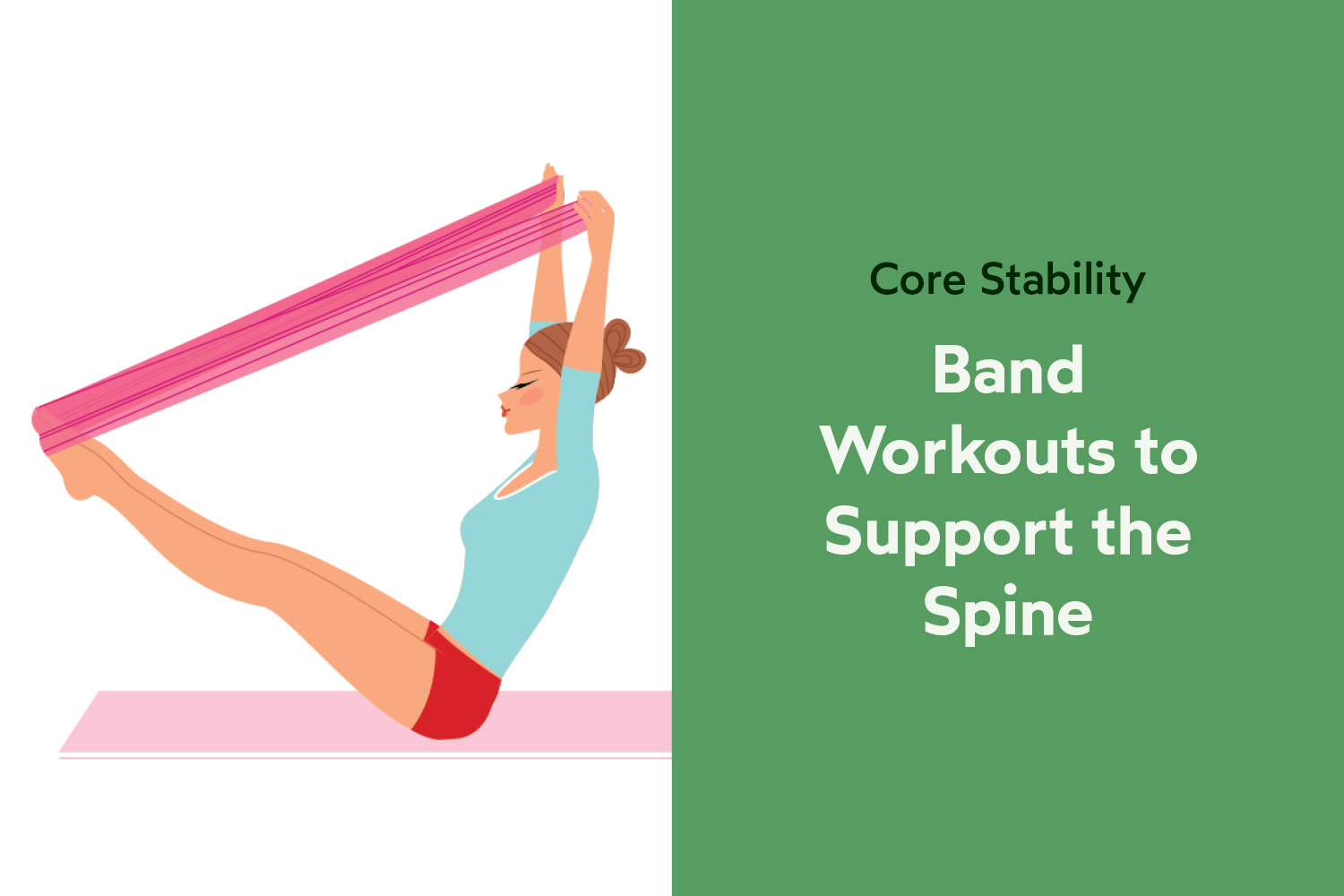
A strong core isn’t about having a six-pack. It’s about having a smart, responsive support system for your spine.
Your deep core muscles act like an internal corset. When they’re switched on, they support your spine from the inside. They take pressure off your discs and help you stay upright with less effort.
But modern habits – sitting, slouching, stress – can leave these stabilisers underused and forgotten.
At Evolve Chiropractic, we guide our clients toward restoring that connection. And resistance bands? They’re one of the smartest ways to do it. Simple. Gentle. Effective.
Your deepest core muscles wrap around your torso like a belt of support. When they’re active, they create a kind of internal pressure that helps relieve the load on your spinal discs.
Bands are a brilliant way to cue this system gently – no heavy lifting required. Something as simple as a dead bug variation with light band tension invites these quiet muscles to switch back on. The feedback says: You’re supported. You’re safe.
It’s subtle, but it works.
Here’s something most people don’t realise: your diaphragm is part of your core.
Breathing well helps regulate pressure inside your abdomen – and that affects how your spine feels. When breath becomes shallow or tense, your spine often absorbs that strain.
Try this: wrap a light resistance band around your lower ribs. As you breathe in, let the ribcage expand into the band in all directions. Front. Side. Back.
The band gives quiet feedback. Your body responds with deeper breath and better spinal support. It’s a small shift with big ripple effects.
Sometimes the best movement is no movement at all.
Static holds – known as isometrics – help build deep muscular endurance. Your posture relies on this kind of quiet power to stay upright throughout the day.
Here’s one to try: the Pallof press. Stand side-on to an anchored resistance band, hold it at your chest, and gently press forward. Resist the urge to twist. Stay tall.
Feel those deep core muscles fire up to keep you stable? It’s your core saying, “I’ve got this.”
Your spine and hips are teammates. When one’s not doing its job, the other works overtime.
Resistance bands can restore that partnership. Adding light tension to simple movements like glute bridges or clamshells help wake up the hip stabilisers – especially the glutes – so your lower back doesn’t have to overcompensate.
And when everything’s working together? Movement feels smoother. Less forced. More free.
Core strength isn’t all about bracing. Sometimes, it’s about releasing.
Try a standing torso twist with a light band anchored at chest height. Move slowly. The band offers soft resistance, guiding rather than forcing.
You’re not just training muscles here. You’re reminding your body that movement can feel safe again. That’s recovery in motion.
True spinal strength doesn’t come from clenching or pushing through. It comes from steady connection, inside-out coordination, and confident control.
Resistance bands meet your body where it is. They offer feedback. Support. A chance to build trust in movement again.
With just a few gentle drills, you’re not just working your core – you’re restoring your body’s natural stability systems. And that’s something worth building on.
