
New Chiropractic Patients

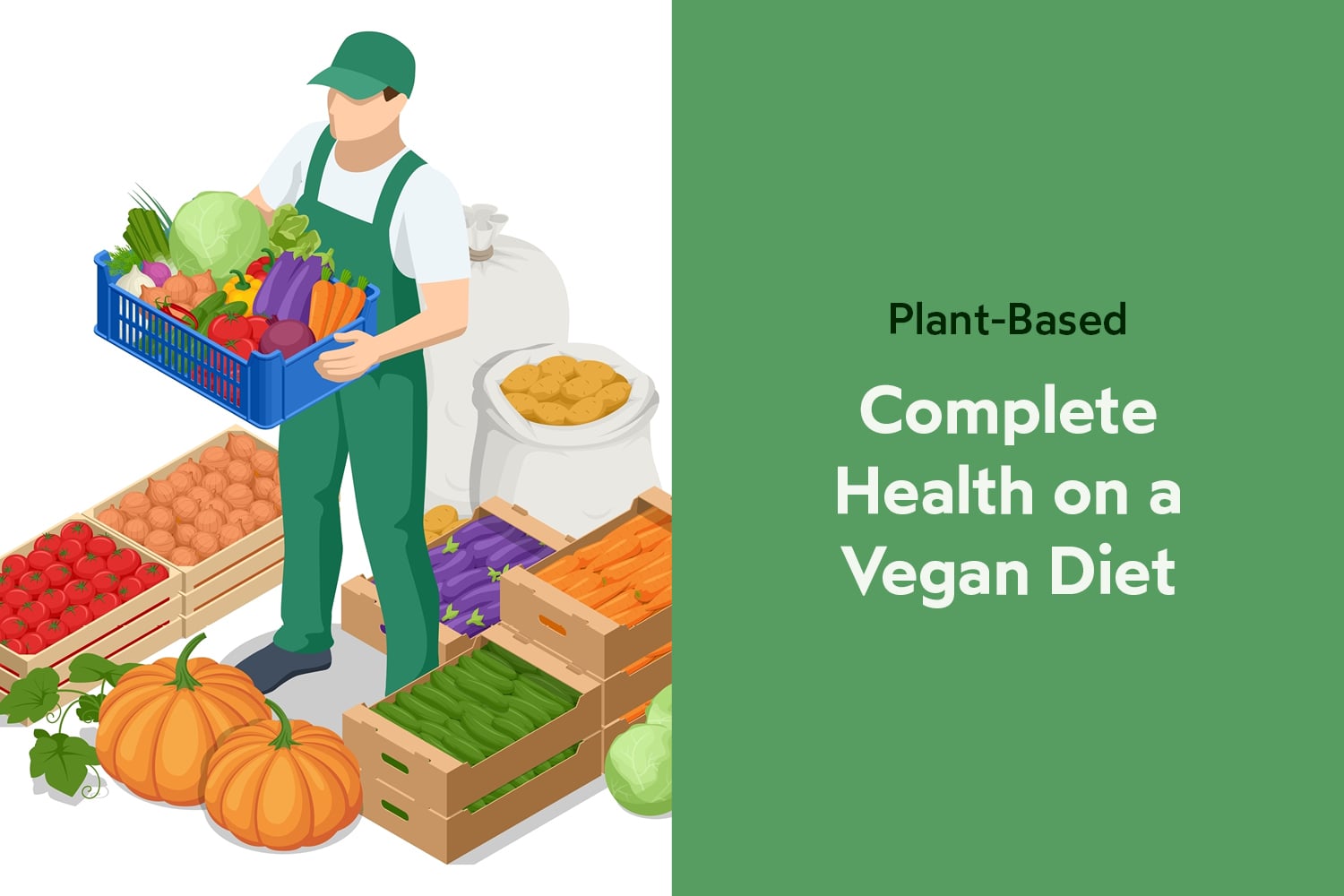
The world of plant-based eating has exploded.
Once a niche lifestyle, it’s now firmly in the mainstream, with more people than ever choosing to reduce or eliminate animal products for health, environmental, or ethical reasons. And a well-planned vegan diet can be an incredibly powerful way to support your health.
But let’s be clear: simply swapping a meat burger for a vegan one doesn’t automatically grant you a health halo.
Like any eating pattern, a plant-based diet can be a powerhouse of nutrition or a minefield of processed junk. The secret to success isn’t restriction; it’s smart planning.
So, let’s look at how to build a plant-based diet that truly nourishes you from the inside out.
Any diet that eliminates entire food groups requires a little extra attention to ensure you’re not missing out on key nutrients. It’s not a flaw in the diet, just a simple reality of food composition.
On a vegan or vegetarian plan, you’ll want to keep an eye on a few key players to make sure you’re covering all your bases:
This isn’t a list to cause alarm. It’s simply a roadmap to help you navigate your choices and build a robust, nutrient-complete diet.
The supermarket aisles are now brimming with plant-based “meats,” “cheeses,” and “mayos.” While these can be fantastic for making the transition easier, it’s important to remember that “plant-based” does not always mean “healthy.”
Many of these products are ultra-processed. They might start with soy or pea protein, but by the time they’ve been stripped, isolated, and re-formed with a long list of gums, flavourings, and binders, they’re a world away from the whole plant they came from.
Think of them as occasional stand-ins, not the foundation of your diet. The real magic of plant-based eating comes from whole foods, not a factory.
Here’s where a whole-food, plant-based diet truly shines. Plants are packed with thousands of natural compounds called phytochemicals. These are the substances that give fruits and vegetables their vibrant colours, tastes, and aromas, and they act as the plant’s own defence system.
When you eat them, they can help protect your body, too. The famous advice to “eat the rainbow” is actually solid science.
The deep red in tomatoes (lycopene), the bright orange in carrots (beta-carotene), and the rich purple in blueberries (anthocyanins) all represent different families of protective antioxidants.
A diet bursting with colour is a diet bursting with health-protective compounds. This is your best strategy for reducing inflammation and supporting your body’s long-term health.
Let’s tackle the two most talked-about nutrients in plant-based eating. Getting them right is crucial, but it’s also straightforward.
So, what does a healthy plant-based meal actually look like?
Forget the sad plate of limp lettuce. A well-designed plate is abundant, colourful, and satisfying. Use this simple template as your guide:
This isn’t a strict rule, but a flexible framework to ensure you’re getting the balance of macronutrients you need to feel energised and full.
A plant-based diet is so much more than what you don’t eat. It’s an opportunity to explore a whole new world of flavours, textures, and nutrient-dense foods.
By focusing on whole plants, ensuring you have reliable sources of key nutrients like B12, and building balanced plates, you can create a sustainable and incredibly rewarding way of eating.
This mindful, whole-body approach to nourishment is a powerful partner to the structural and neurological care we provide. When you fuel your body with intention, you give it the best possible tools to heal and thrive.
