
New Chiropractic Patients

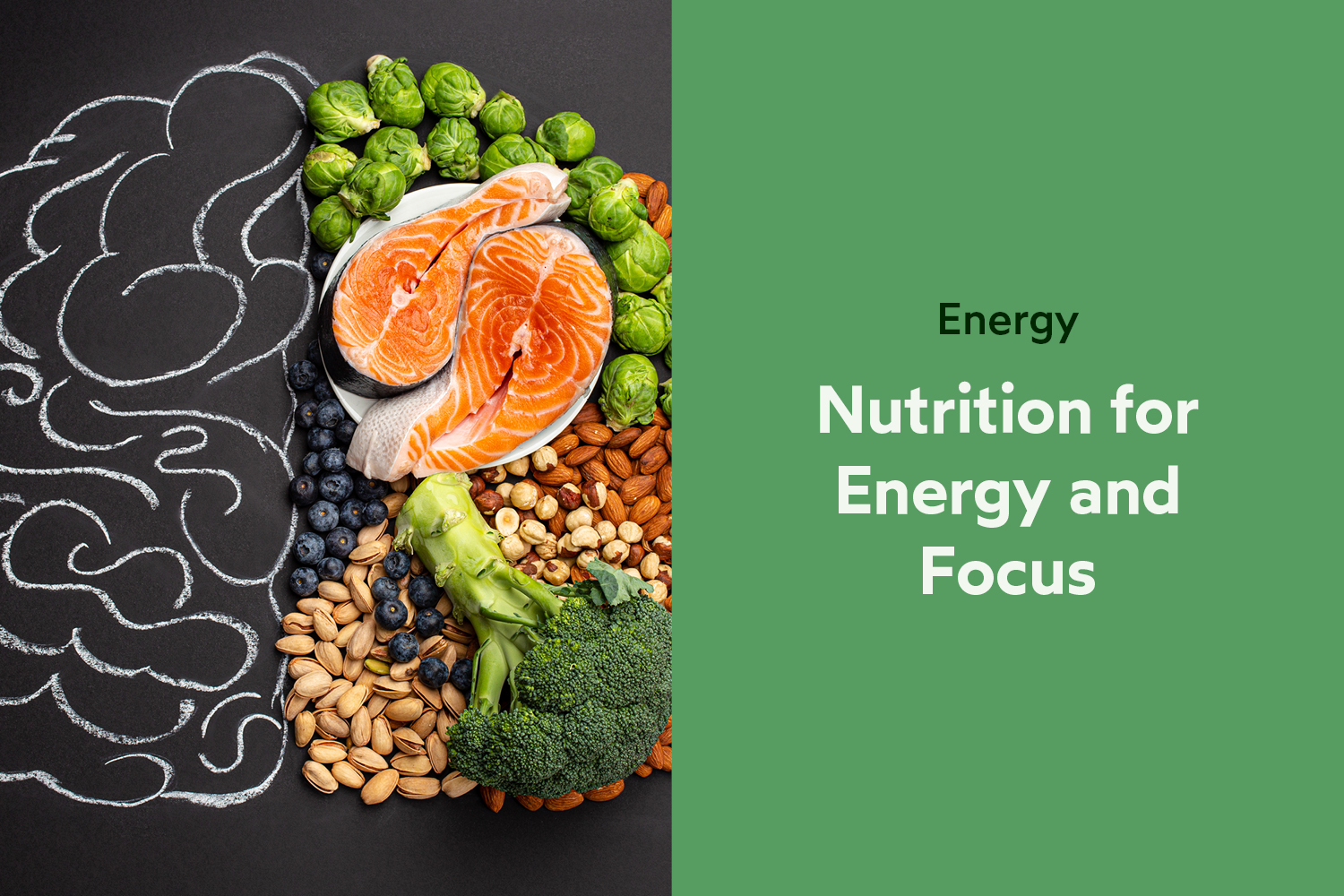
We’ve all been there. It’s 3 p.m., your eyelids feel like they’re lined with lead, and that important task on your screen is starting to look like blurry, incomprehensible nonsense. You reach for your fourth coffee or a sugary snack, hoping for a miracle.
This cycle of energy peaks and troughs feels like an unavoidable part of modern life, but it doesn’t have to be.
What if you could have steady, reliable energy and sharp focus all day long? It’s not a fantasy, and it doesn’t come from a can. It comes from your plate.
Fuelling your body correctly is a skill, and it’s one of the most powerful you can learn.
That dreaded afternoon slump is not a sign of a personal failing; it’s a sign of a blood sugar crash.
When you eat a meal high in sugar or refined carbohydrates, your blood sugar spikes dramatically. Your body releases a flood of insulin to deal with the sugar rush, which then causes your blood sugar to plummet, leaving you feeling tired, irritable, and foggy.
The secret to getting off this rollercoaster is balance.
Every time you eat, aim to include a combination of protein, healthy fats, and fibre-rich carbohydrates. This trio slows down the absorption of sugar into your bloodstream, providing a steady, gentle release of energy.
It’s the difference between throwing kindling on a fire for a quick flare-up and putting on a solid log for a slow, sustained burn.
The wellness world is buzzing about intermittent fasting, and for some, skipping breakfast works wonders. It can simplify their morning and they feel sharp and focused while fasting. But this is not a universal rule.
For many others, skipping breakfast is a one-way ticket to a mid-morning energy crash and a ravenous, poor-decision-making lunch.
The key is to listen to your body, not the trends. If you wake up genuinely hungry and know you have a demanding morning ahead, a protein-packed breakfast is your best friend. A meal of eggs or Greek yoghurt will set you up with stable blood sugar and sustained energy.
If you feel great waiting until lunch, that’s fine too. The goal is to find a pattern that keeps your energy stable, not to follow someone else’s rulebook.
What you eat around your workouts can make a huge difference in your performance and recovery. You don’t need complicated shakes or bars, just a little bit of smart timing.
Sometimes the simplest solution is the most effective. Before you blame your diet for your fatigue, ask yourself: Have you had enough water today?
Dehydration is one of the most common and overlooked causes of tiredness, headaches, and brain fog. Even mild dehydration can tank your energy levels and impair your concentration.
For most daily activities, water is all you need. But if you’re doing an intense workout, sweating a lot, or in a hot environment, you also lose essential electrolytes like sodium and potassium.
A simple way to replenish these is to add a small pinch of sea salt and a squeeze of lemon or lime to your water. It’s a natural, effective way to ensure your body stays properly hydrated and energised.
Building a high-energy lifestyle is about creating simple, repeatable habits. You don’t need a perfect diet; you just need a consistent strategy.
Your energy is your most valuable resource. By fuelling your body with intention, you’re not just eating; you’re investing in your ability to think clearly, perform at your best, and enjoy your life to the fullest. This is the foundation upon which all other aspects of health are built.
A well-nourished body and a well-aligned nervous system are the ultimate power couple for a vibrant, energetic life.
