
New Chiropractic Patients

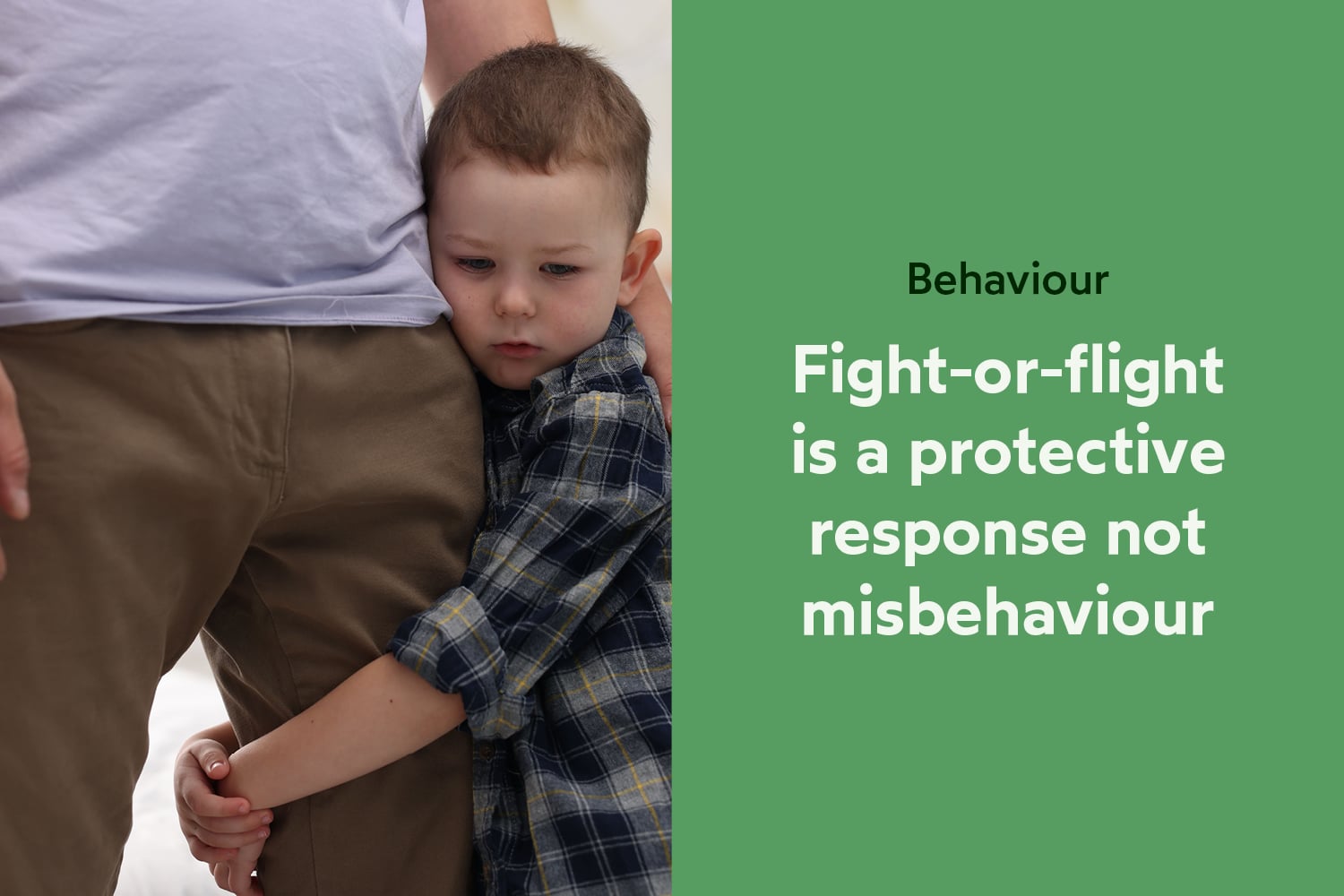
It can be heart‑wrenching when our little ones seem to lose it out of nowhere. Why did a simple request lead to a meltdown? Why did they suddenly shut down?
To an adult, this looks like naughty behaviour but most times, it’s actually a child’s nervous system doing exactly what it was designed to do. Protect them.
When a child is in a state of stress, their survival brain takes the lead. And when we understand this, we can respond with the compassion they truly need.
Gentle chiropractic care focuses on these exact moments by looking at how physical stress locks the body into these defensive states.
Our nervous system has evolved to constantly scan our surroundings for safety or danger, and it does it automatically without any conscious input from us. As adults, we understand this, and know how to cope.
For a developing child, however, this internal threat detector is often incredibly sensitive. So, when the brain perceives a threat, like a loud noise or a sudden change, it triggers a survival response.
The body releases stress hormones and shifts energy away from logic and reasoning. The result is often a meltdown and it’s virtually impossible to reason with a child during one because their body has hijacked their ability to be logical.
These protective responses usually show up in three distinct ways.
Fight might look like physical aggression, yelling, or intense defiance.
Flight often looks like running away, hiding, or constantly fidgeting.
Freeze is the most misunderstood response of all. A child in freeze might look spaced out, become very quiet, or seem unable to follow simple instructions. It’s often mistaken for stubbornness, but is actually an involuntary state of internal immobilisation.
Once a child is in a protective state, the priority is helping their system feel safe rather than issuing discipline. This is where something as simple as using a soft, low voice and getting down to their eye level sends powerful signals of safety to their brain.
But it’s important to also understand that in the heat of a stress response, too many words can actually feel like an extra threat. Conversely, offering a gentle touch or simply sitting quietly nearby allows their system to slowly recalibrate.
We can support our children by looking at our home environment through their eyes. Reducing clutter, using softer lighting, and maintaining predictable rhythms can lower the stress on their system.
It’s also helpful to give children plenty of warning before transitions. Moving from playtime to dinnertime can feel like a sudden threat to a child’s sense of control. Providing clear, gentle signposts for what’s coming next helps their nervous system stay at ease.
Physical tension or stiffness in the spine can create interference in how the brain and body communicate. This can leave a child’s nervous system stuck in a continuous loop of fight‑or‑flight.
Gentle adjustments help release this stored physical stress so the body can return to a more organised state. When the spine moves freely, the nervous system can shift out of survival mode and back into balance with far less effort.
When we understand fight‑or‑flight as a protective response rather than a behaviour problem, it changes how we show up for our children. Instead of reacting to the surface, we can support the body that’s working so hard underneath.
By easing physical stress, creating calmer environments, and responding with steady presence, we give their nervous system a safer place to land. Over time, this helps children feel more secure in their own bodies and more confident in the world around them.
