
New Chiropractic Patients

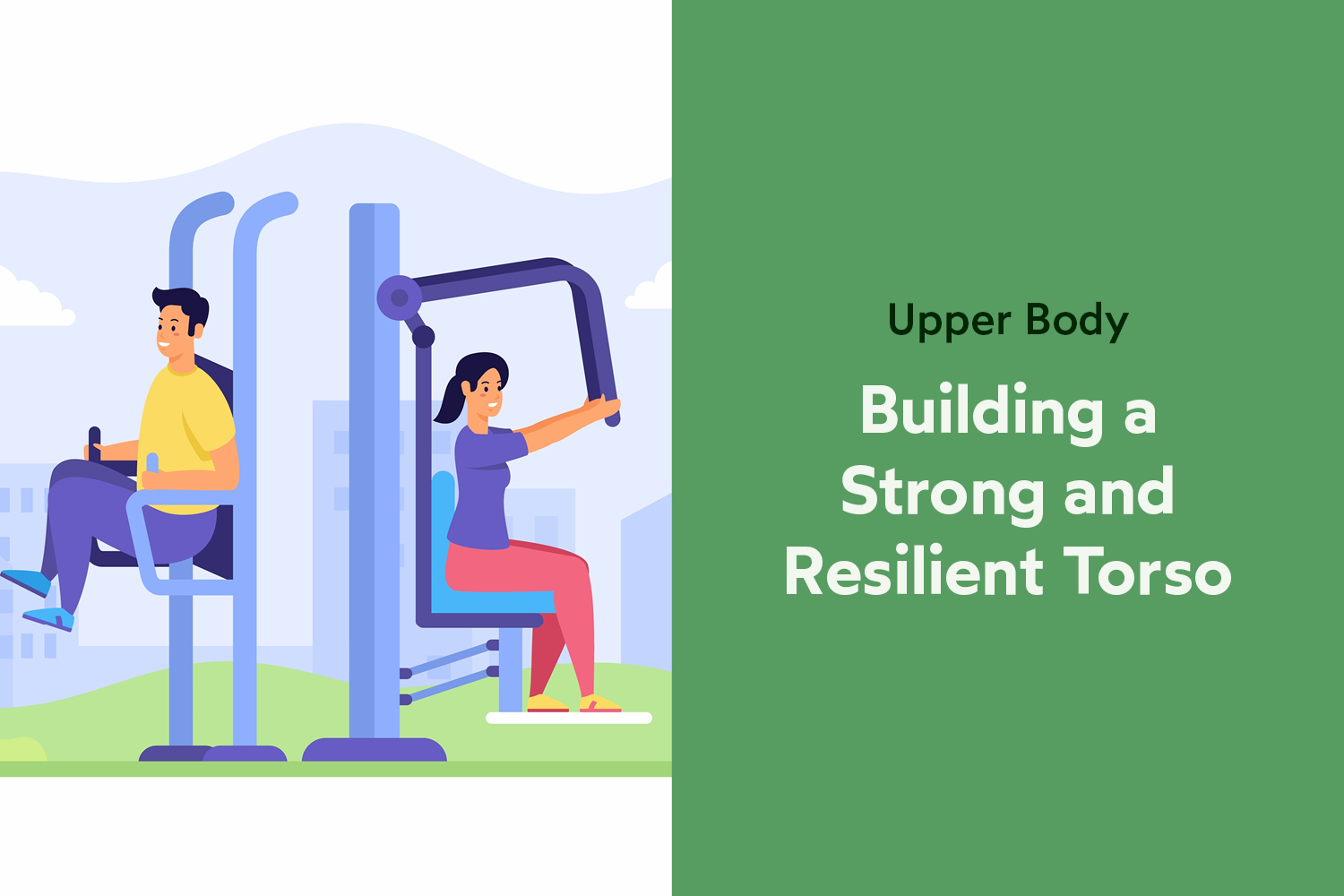
A strong upper body does more than just help you lift heavy objects.
It builds a resilient, capable torso that supports your spine, improves posture, and helps you move through life with confidence. It’s a key part of a balanced, functional body.
Developing this strength isn’t about building bulk unless that’s your specific goal. It’s about creating a stable structure that protects your neck and shoulders from strain. A well-rounded approach to upper body training is an investment in your long-term health.
The muscles on the front of your body are your primary pushing muscles. They’re what you use to push a door open, lift something onto a high shelf, or press yourself up from the floor. Exercises like the push-up and overhead press are classic examples of pushing movements.
When performed with correct technique, these exercises build essential strength. The key is to stay in control, protecting the delicate shoulder joint. Proper form ensures the target muscles are doing the work i.e. building strength safely and effectively.
For every pushing muscle, there’s a pulling muscle that provides an equal and opposite force.
The muscles of your back, including your lats, rhomboids, and trapezius, are your primary pulling muscles. They’re vital for maintaining postural balance.
Modern life, with its long hours of sitting, often leads to tight chest muscles and weak, underused back muscles. This imbalance pulls the shoulders forward, creating a slouched posture.
Strengthening your back with rowing movements helps counteract this, drawing your shoulder blades back and allowing you to stand taller and breathe more freely.
Your core is the pivotal link between your upper and lower body; a 360-degree cylinder of muscle that must stay stable during any upper body lift. A strong core provides a rigid platform for your arms to push or pull from.
Before you lift, bracing your core is essential. This creates intra-abdominal pressure that supports and protects your spine from twisting or flexing under load.
A stable core is the secret to lifting heavier and avoiding injury. It’s non-negotiable for safe, effective training.
The shoulder is the most mobile joint in the body, but that mobility can come at the cost of stability. Healthy shoulders require a balance of both…enough range of motion to move freely and enough muscular control to keep the joint secure.
That’s why a good programme includes exercises targeting the smaller stabilising muscles, such as the rotator cuff. You should also work through a full, comfortable range of motion.
This combination of mobility and stability is key to long-term shoulder health and function.
Building a resilient upper body is all about balance.
A simple, effective rule is to include a pulling exercise for every pushing exercise in your routine. This ensures you develop strength evenly across the front and back of your body.
Start with weights and movements you can control perfectly. Focus on mastering technique before adding more load. This thoughtful approach builds a body that’s not only strong but also coordinated, stable, and ready for any challenge.
