
New Chiropractic Patients

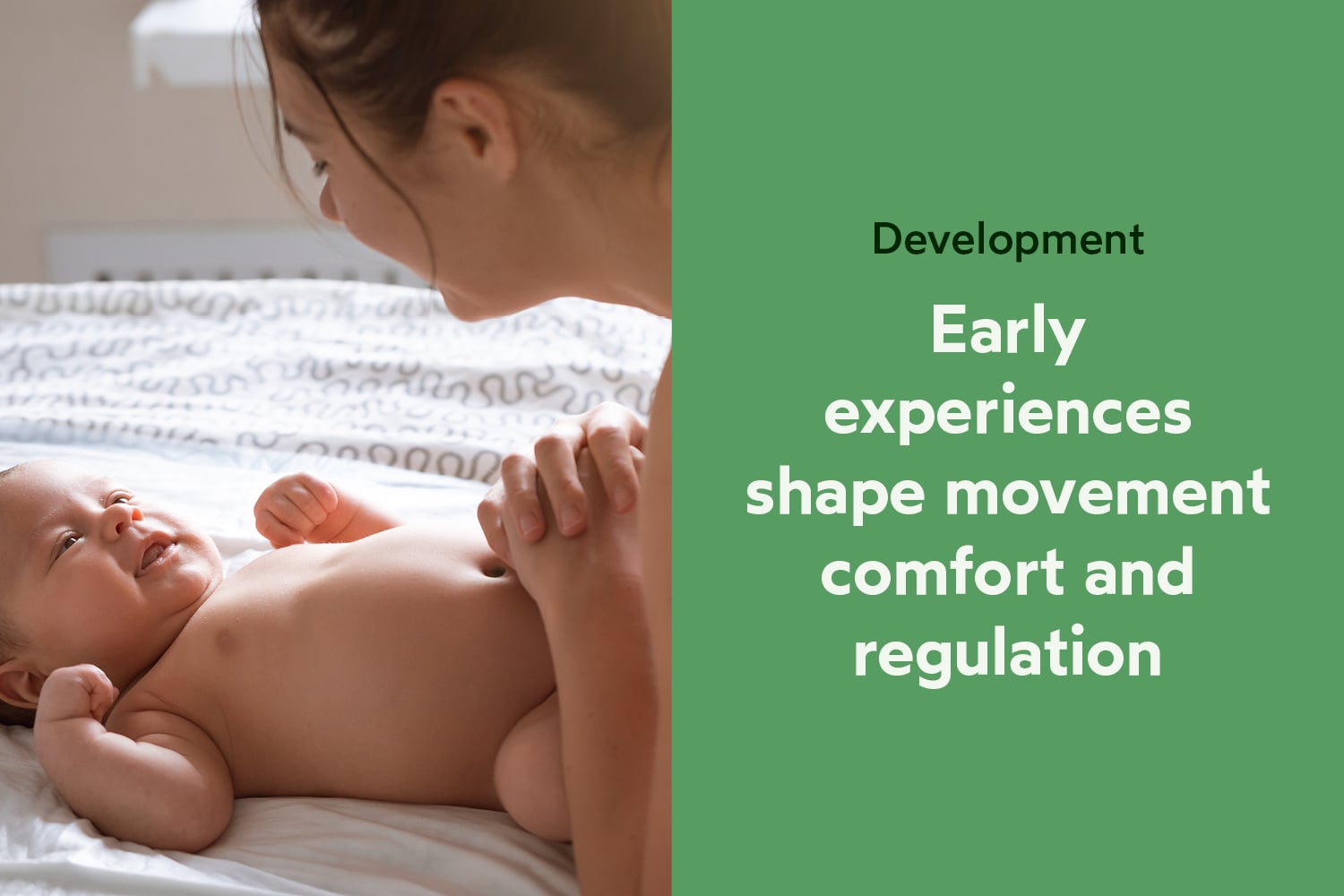
The arrival of a new baby is a time of profound wonder and transition.
While we often focus on the joy of the event, it’s important to acknowledge that birth is the very first major physical experience for a newborn. Whether straightforward or involving intervention, the journey into the world is an intense process of compression and adaptation.
As chiropractors, we see how these first moments can leave a lasting impression on a baby’s physical comfort. By observing the way a baby moves and carries their body, we can support their transition into the world, helping their frame feel balanced and settled from the start.
During birth, a baby’s body is subject to immense forces as they navigate the birth canal. This “birth strain” is natural, but it can leave behind areas of mechanical tension. These patterns aren’t necessarily a medical issue, but they represent a physical challenge the baby is working to unwind.
If a baby is holding onto this intensity, they may seem physically “on guard.” You might notice a stiff posture, a clenched jaw, or difficulty relaxing into deep sleep. This is simply the body’s innate way of adapting to its first structural challenge.
Recognising these patterns early allows us to provide gentle, specific support to help their body shift back toward ease and flexibility.
A baby’s skull is designed with flexible plates that can overlap (moulding) to help them pass through the birth canal. Usually, these bones settle into place as the baby cries, suckles, and breathes.
Sometimes this moulding doesn’t fully resolve, which can affect comfort. A baby may prefer turning their head to one side or seem unsettled when lying flat. This persistent tension makes feeding or resting harder, as they’re constantly fighting the internal pull of tight musculature.
Movement is the primary language of the developing infant. Every milestone reflects physical organisation. When a baby is comfortable and free from restriction, they explore these movements naturally.
If tension from birth strain is present, tummy time and early lifting often feel challenging. Supporting alignment ensures the brain receives clear information from muscles and joints, creating a solid foundation for the developmental leaps of the first year.
Our paediatric approach is incredibly gentle. We use light, specific touches to help release the tension that lingers after birth. By supporting the spine and cranial system, we help clear mechanical “interference,” allowing the baby’s body to adapt more comfortably to life outside the womb.
This care isn’t about “fixing” the baby, but honouring their innate ability to unwind. When we support the physical foundation, we see babies who are more comfortable, more settled, and better able to engage with the world.
Every baby’s journey is unique, and understanding the physical impact of their earliest experiences allows us to support them with empathy. By addressing birth‑related tension early, we’re giving children the best possible start on their path to wellness.
Supporting a baby’s structural health fosters resilience and ease from the beginning.
