
New Chiropractic Patients

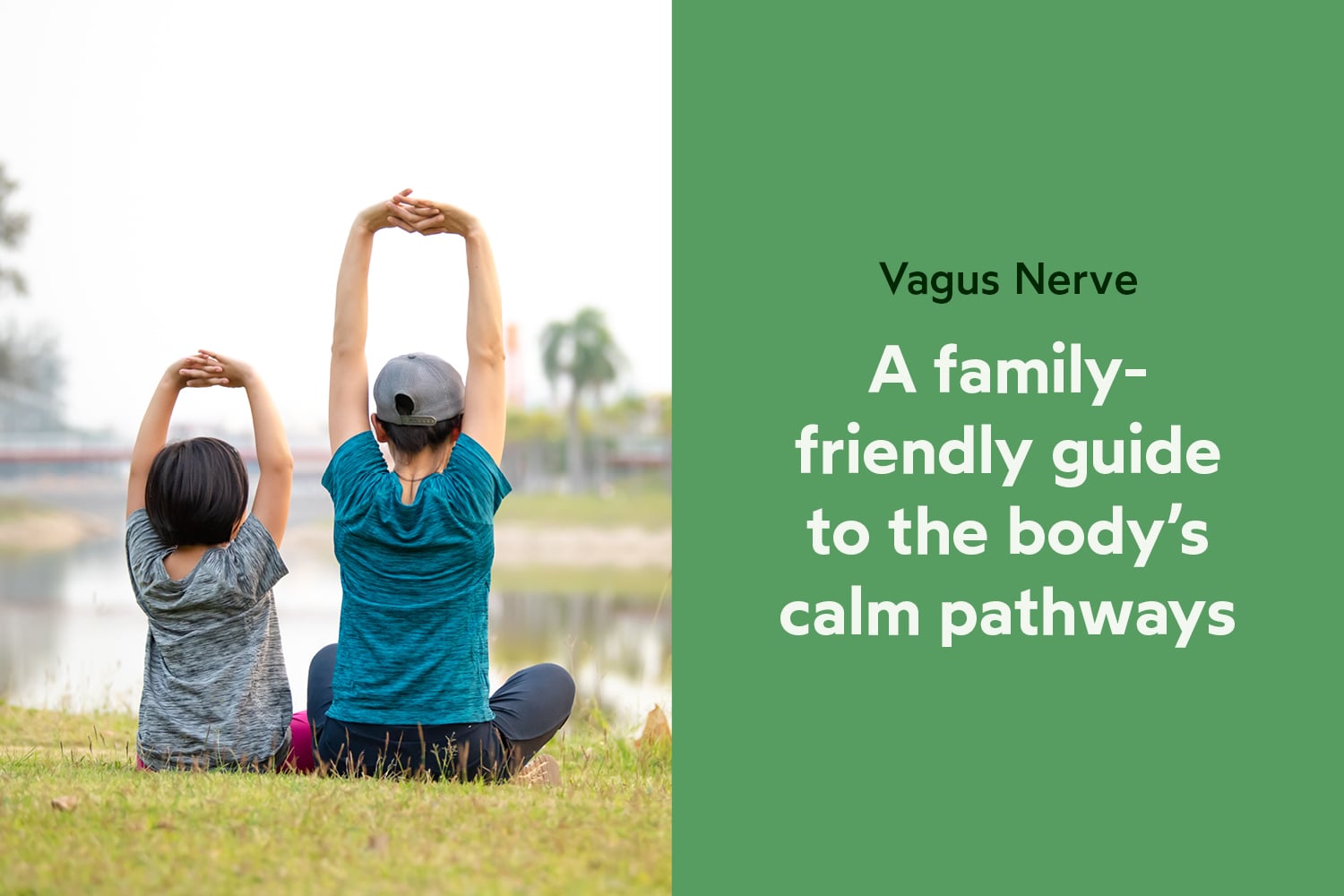
Every child has an internal pathway that helps their body shift from stress into a more organised state. This highway is called the vagus nerve, and it acts like a gentle brake pedal for the entire nervous system.
Understanding how a child’s frame handles the constant incoming data travelling along the vagus nerve allows chiropractic care to provide the right physical support to help them feel comfortable.
The vagus nerve begins at the base of the brain and travels to the heart, lungs, and digestive organs. It acts as a two-way communication line, carrying constant updates about the body’s physical state back up to the brain. This feedback helps the system decide whether to stay alert or settle.
Its primary job is to signal internal safety. When the vagus nerve is active, it slows the heart rate and deepens breathing, allowing the body to focus on growth, learning, and connection.
Vagal tone describes how efficiently the vagus nerve brings the body back to ease after a challenge. Children with higher vagal tone shift out of stress more smoothly because their system doesn’t hold onto activation for as long.
Vagal tone also influences digestion and mood.
When the vagus nerve is active, digestion runs more smoothly and the body maintains a steadier internal rhythm. When tone is low, the stress response lingers, and a child may feel more reactive or unsettled.
Gentle, predictable practices are a good way to help strengthen vagal tone.
Slow belly breathing, for example, is a very effective way to stimulate the nerve because it gently activates the diaphragm. This physically triggers the vagus nerve to slow heart rate, which then sends clear, immediate signals of safety through the body.
Humming or singing also supports the vagal pathway. They create physical vibrations through the vocal cords, which sit right next to the vagus nerve in the throat. This direct, gentle stimulation instantly triggers the nerve to activate your body’s relaxation response.
Vagal health is also deeply connected to how a child moves.
Movement has a direct influence on internal organisation because the brain thrives on predictable patterns. Rhythmic activities like walking or swinging provide a steady, repeating beat of sensory input. This predictable pattern reassures the brain, helping to keep communication open and clear along the vagal pathway.
Posture plays a role too. When a child’s body is compressed or hunched, the upper chest and neck can feel restricted. Upright, varied movement creates more physical openness, making it easier for the vagus nerve to send its calming signals.
The vagus nerve exits the skull at the very top of the neck, running right past the upper spinal joints. If this delicate area is stiff, tense, or restricted in its movement, it can create mechanical irritation that alters how clearly the nerve communicates.
Gentle chiropractic adjustments help restore proper alignment and ease to these upper cervical joints. By clearing this structural strain, we reduce the physical interference on the pathway, allowing the nervous system to switch into rest and recovery with far less effort.
Understanding the vagus nerve gives families a practical way to support emotional steadiness. When this pathway is cared for, children can organise their internal state more easily and move through their day with greater comfort and confidence.
