
New Chiropractic Patients

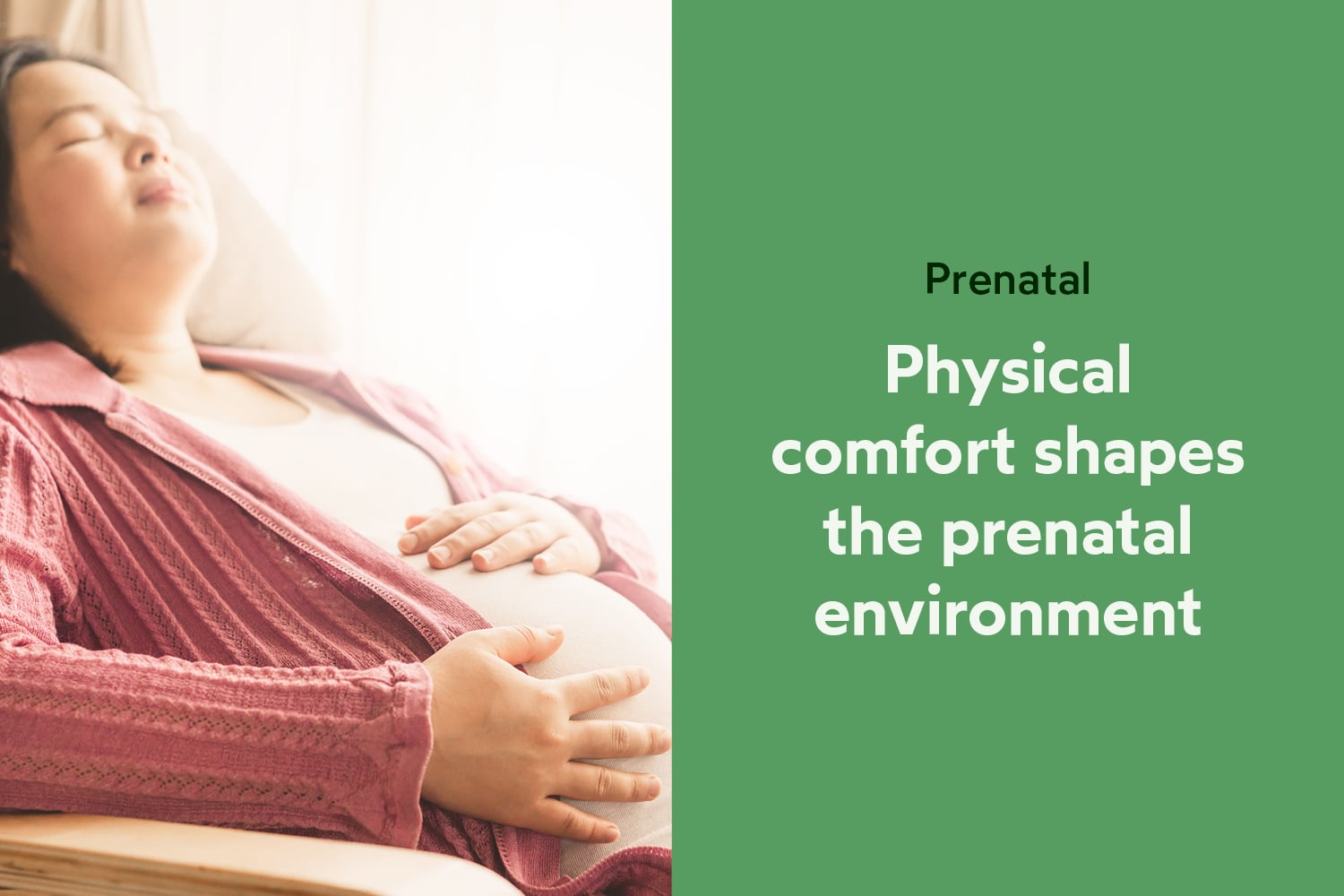
Pregnancy is a time of profound physical connection between a mother and her growing baby.
As the mother’s body changes, the physical shape and alignment of her spine and pelvis create the baby’s very first environment. Ensuring the spine and pelvis move freely helps release the mechanical strain that can lock a mother’s body into a state of physical stress.
Gentle chiropractic care focuses entirely on this physical foundation, helping the mother’s body adapt smoothly to the rapid structural changes of pregnancy.
As your baby grows, your centre of gravity shifts dramatically forward and your lower spine must curve inwards to compensate. This shift puts immense structural pressure on the lumbar joints and the sacroiliac joints at the back of your pelvis.
If these pelvic joints become stiff or misaligned, the surrounding muscles and ligaments must tighten instantly to keep your body upright.
The deeper uterine ligaments in particular attach directly from the walls of the pelvis to the uterus, acting much like the support wires of a tent. When the bony structure of the pelvis is twisted or restricted, these ligaments are pulled unevenly.
This asymmetrical tightness changes the mechanical tension across the uterine wall, limiting the environment available for the baby to move and drop into the optimal position for birth.
Persistent pelvic restriction like this makes it incredibly difficult for a mother to find a comfortable position to rest, relax, or sleep soundly at night.
A pregnant body needs regular access to deep, physical rest to prevent the nervous system from defaulting into a tired, defensive state. When you can’t get comfortable, your body stays in a state of low‑grade muscular bracing, which increases overall physical stress.
Gentle walking and light swimming help keep the pelvic joints lubricated and moving freely under the extra weight. These rhythmic, low‑impact movements act as physical cues that signal safety and comfort to your nervous system. They also provide a gentle, rocking motion within the abdomen that naturally soothes the baby while encouraging your deep core stabilisers to relax.
Small changes to your daily posture can drastically reduce spinal pressure and stop mechanical stress from accumulating.
When sitting at a desk or on the couch, always ensure your hips are positioned slightly higher than your knees. This simple elevation keeps the pelvis in a gentle forward tilt, preserving the natural curve of your lower back and preventing the lower spinal joints from compressing.
When resting on your side, place a long body pillow between your knees and ankles to keep your hips parallel. This support stops the top leg from dropping forward, which twists the lower back and pulls on the pelvic ligaments over long hours of sleep.
Chiropractors look closely at how the intense physical demands of pregnancy impact your overall spinal alignment and movement. Stiff lower back joints, a tight ribcage, and uneven tension in the gluteal muscles are clear signs that your frame is struggling to adapt to the extra load.
Because the spine houses the main pathways of the nervous system, physical stiffness can disrupt how well your body communicates and regulates its stress responses. Gentle adjustments work to clear this mechanical restriction, encouraging smooth, symmetrical pelvic movement and allowing your entire muscular system to drop its defensive bracing.
Taking care of your spinal health isn’t a luxury during pregnancy. It’s a fundamental part of preparing your body for birth. When you reduce the physical load on your frame, you naturally create a more relaxed environment for your baby to grow.
By prioritising your own structural alignment and pelvic balance, you provide a stable, comfortable foundation for your child from the very beginning. Supporting your body’s physical ease today helps build a healthier, more resilient start for both you and your baby.
