
New Chiropractic Patients

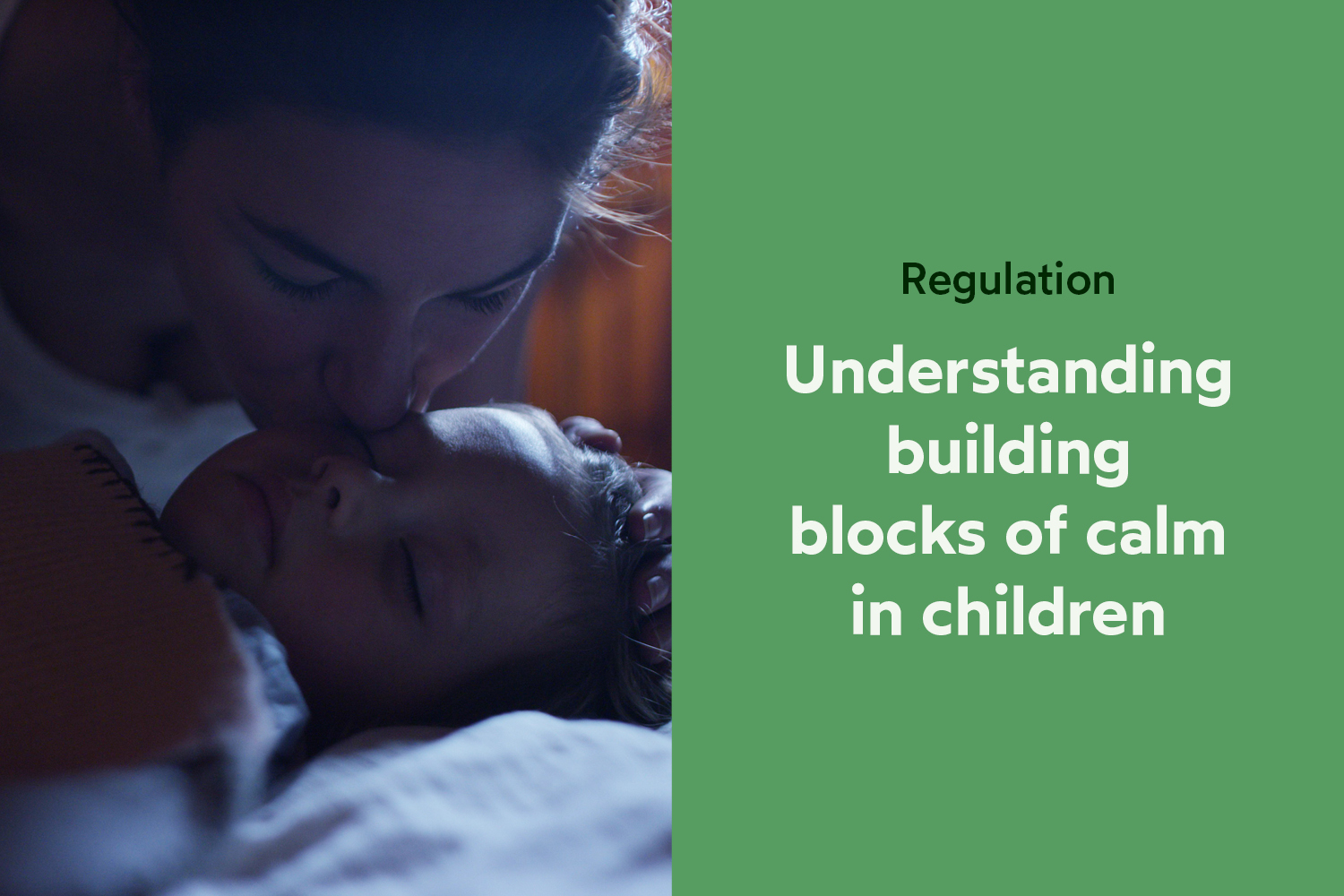
Self‑regulation is often described as a child’s ability to manage their emotions and physical responses. In practice, it is a whole‑body skill that depends entirely on how comfortable and supported their nervous system feels.
When the physical body feels safe and free of structural restriction, finding a sense of calm becomes much easier. A child’s capacity to settle or shift gears is tied directly to how well their nervous system can process information and adjust its internal state.
Gentle chiropractic care focuses on this physical foundation, releasing the spinal tension that can keep a child’s body in a rigid, wound‑up state.
A child’s nervous system grows in layers, learning how to balance excitement with rest.
In the early years, the brain is working hard to figure out how to shift between these states smoothly. How this development matures relies heavily on the physical pathways connecting the body to the brain.
When the spine is moving freely and the nervous system is well supported, these early regulatory skills have a much stronger foundation to build on.
Children naturally try to organise and soothe their nervous system through physical movement. Rhythmic activities like swinging, walking, or gentle bouncing help their body find a steady, predictable beat.
Predictable physical routines at home create a similar sense of safety for the body because their muscles and spine don’t feel the constant need to brace for the unexpected. It makes it easier for their nervous system to shift between states with less effort.
Children learn to wind down by borrowing steadiness from the adults around them. They unconsciously use your quiet tone, slow breathing, and physical presence as a cue that it’s safe to drop their own defensive posture.
This physical connection is a powerful support for a developing child. Your calm state acts like a biological blueprint, helping their body learn how to release tension and return to ease over time.
Chiropractic care looks closely at how flexibly a child’s body adapts to daily pressures. A healthy, adaptable nervous system can shift between activity and rest easily, making it much simpler for a child to stay balanced.
Gentle adjustments work to reduce the deep physical tension and spinal stiffness that keep a child stuck in a stressed pattern. By improving the physical alignment of the spine, we help clear the communication pathways between the brain and the body. This structural ease supports the body’s natural ability to reset, bringing more harmony to daily routines at home.
Understanding the building blocks of calm helps us see a child’s struggles with fresh eyes. It reminds us that difficult moments are usually a physical reflection of how their body is coping with the world around them.
By nurturing the nervous system and supporting spinal health, we give children the physical ease they need to navigate their day with confidence and resilience.
