
New Chiropractic Patients

The goal of strength training is to build a resilient body, not to break it.
Yet many of us hold back because we’re afraid of getting hurt. That fear is understandable, but it often stems from a lack of confidence or clarity around what safe training actually looks like.
The truth is – smart training is safe training. And most injuries aren’t random. Rather, they’re the result of overlooking small, fundamental principles.
When you approach your workouts with knowledge and intention, you dramatically lower your risk. Building a strong, injury-resistant body isn’t luck. It’s a skill you can learn.
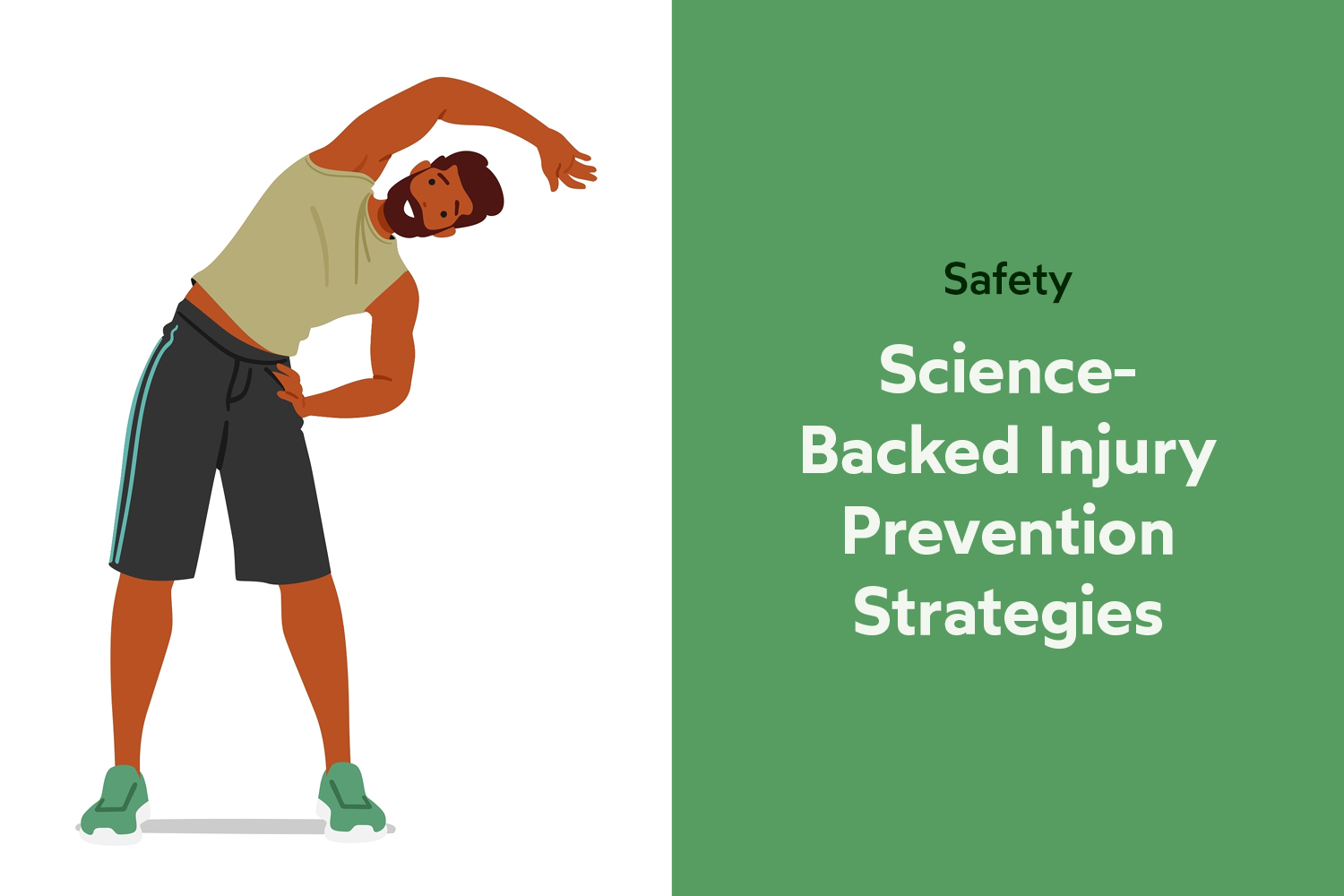
A proper warm-up isn’t optional. It’s the necessary transition required for focused, effective training. It gets blood flowing to your muscles, loosens up your joints, and raises your core temperature so your body’s ready to move.
It also helps switch your nervous system on. This is your moment to dial in, rehearse your movement patterns, and get mentally prepared. Five to ten minutes of light cardio and dynamic stretching is usually all it takes to set yourself up for a safe, productive session.
It’s important to know the difference between muscle discomfort and joint pain. Discomfort feels like fatigue or a burning sensation during a tough set. That’s normal. It means you’re challenging your body to adapt.
Pain is another story. It’s sharp, sudden, and usually centred in a joint. That’s your body’s way of saying something’s not right. Pushing through it is one of the fastest ways to get injured.
One signals effort. The other signals a need to stop.
Your body’s always talking to you.
Learning to listen is a skill called autoregulation. Sounds fancy, but it just means adjusting your training based on how you feel that day.
Some days you’ll feel strong and energised. Other days, not so much.
If you’re dealing with joint aches, poor recovery, or a movement that just feels off, it’s smarter to dial things back. Reducing intensity or volume isn’t a setback. It’s smart training.
It’s easy to get carried away when motivation’s high. But doing too much, too soon, is a classic mistake.
Muscles often adapt faster than tendons and ligaments. You might feel ready to lift heavier, but your connective tissues may not be there yet.
That’s why progress needs to be gradual. It’s the core of progressive overload, which essentially means small, steady increases in weight or reps that build lasting strength. This steady patient approach gives your whole body time to adapt and grow stronger together.
Think of injury prevention as a quick checklist you run through every time you train.
Is your form solid on every rep? Are you properly warmed up and mentally focused? Are you clear on the difference between discomfort and pain? Are you progressing at a sensible pace and supporting recovery with good sleep and nutrition?
Ticking these boxes consistently sets you up for success. You’re building a body that’s strong, stable, and ready for whatever comes next.
