
New Chiropractic Patients

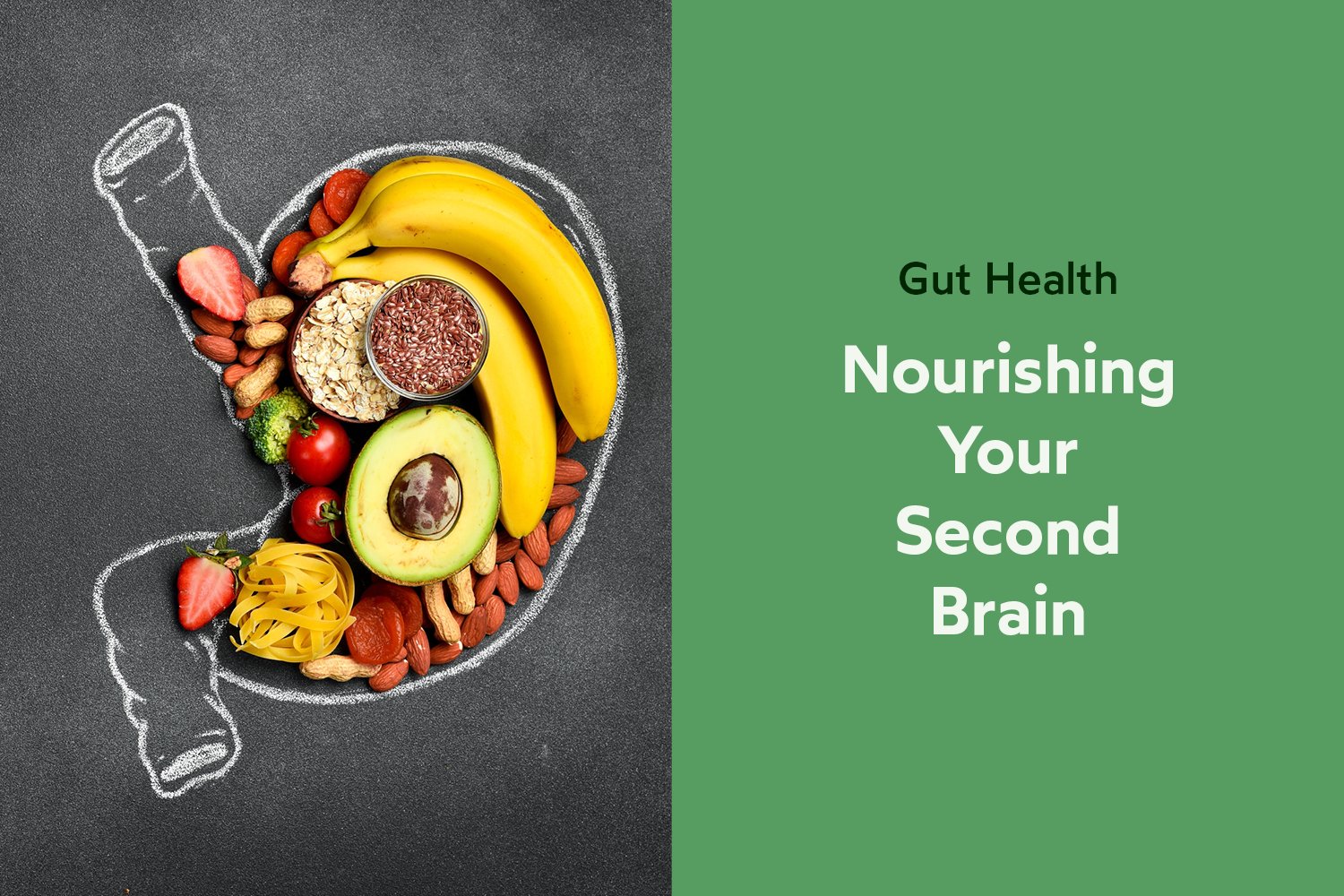
Have you ever had a “gut feeling” about something? Or felt “butterflies in your stomach” when you were nervous?
These aren’t just quaint expressions. They’re a clue to one of the most exciting frontiers in health science: the powerful connection between your gut and your brain.
For a long time, we treated the digestive system like a simple plumbing network. Food goes in, nutrients come out, waste is eliminated. But we now know it’s so much more than that.
Your gut is a bustling, intelligent ecosystem that acts like a second brain, profoundly influencing everything from your mood and immunity to your cognitive function.
It’s time we started giving it the respect and nourishment it deserves.
Your gut is home to a massive community of trillions of microorganisms, including bacteria, fungi, and viruses. This is your gut microbiome. But don’t reach for the hand sanitiser just yet. The vast majority of these tiny residents are friendly and essential for your health.
Think of your microbiome as a vibrant, diverse rainforest.
When it’s in balance, with lots of different species living in harmony, the entire ecosystem thrives. These good bacteria help you digest food, synthesise essential vitamins, and form a protective barrier against harmful invaders.
The more diverse your internal rainforest, the more resilient your health will be.
You’ve likely seen the words ‘probiotic’ and ‘prebiotic’ on everything from yoghurt pots to fancy drinks. They sound similar, but they have very different, complementary jobs. It’s a simple case of the seed and the fertiliser.
You need both for a healthy gut. Probiotics add good bacteria, and prebiotics feed the good bacteria you already have.
Long before we had fancy supplements, cultures all over the world were consuming fermented foods.
From kimchi in Korea and sauerkraut in Germany to kefir in Eastern Europe, fermentation was a natural way to preserve food. It also happens to be one of the best ways to get a natural dose of probiotics.
These foods are teeming with beneficial bacteria that can help to diversify your microbiome. Incorporating a small amount of unpasteurised fermented food into your diet is a fantastic, time-tested way to support your gut health.
It’s ancient wisdom that modern science is now enthusiastically confirming.
This is where things get really fascinating. Your gut and your brain are in constant communication via a network of nerves and chemical messengers known as the gut-brain axis.
Did you know that around 90% of your body’s serotonin, the “feel-good” neurotransmitter, is produced in your gut? Your gut bacteria play a direct role in this production.
An imbalanced microbiome can lead to a drop in serotonin, which can impact your mood, sleep, and even contribute to feelings of anxiety. That brain fog you’re feeling? That afternoon slump? It could be your gut trying to tell you something.
A happy gut is truly fundamental to a happy mind.
Nourishing your second brain doesn’t require a complete lifestyle overhaul. Small, consistent changes can make a massive difference.
Your gut health is a cornerstone of your overall well-being, influencing your mind and body in ways we are only just beginning to fully understand. By nourishing your microbiome with whole foods, you are investing in a healthier, happier, and more resilient you.
This holistic approach – understanding that every system in the body is connected – is at the very heart of what we do. A healthy nervous system and a healthy gut are powerful partners in your journey to wellness.
