
New Chiropractic Patients

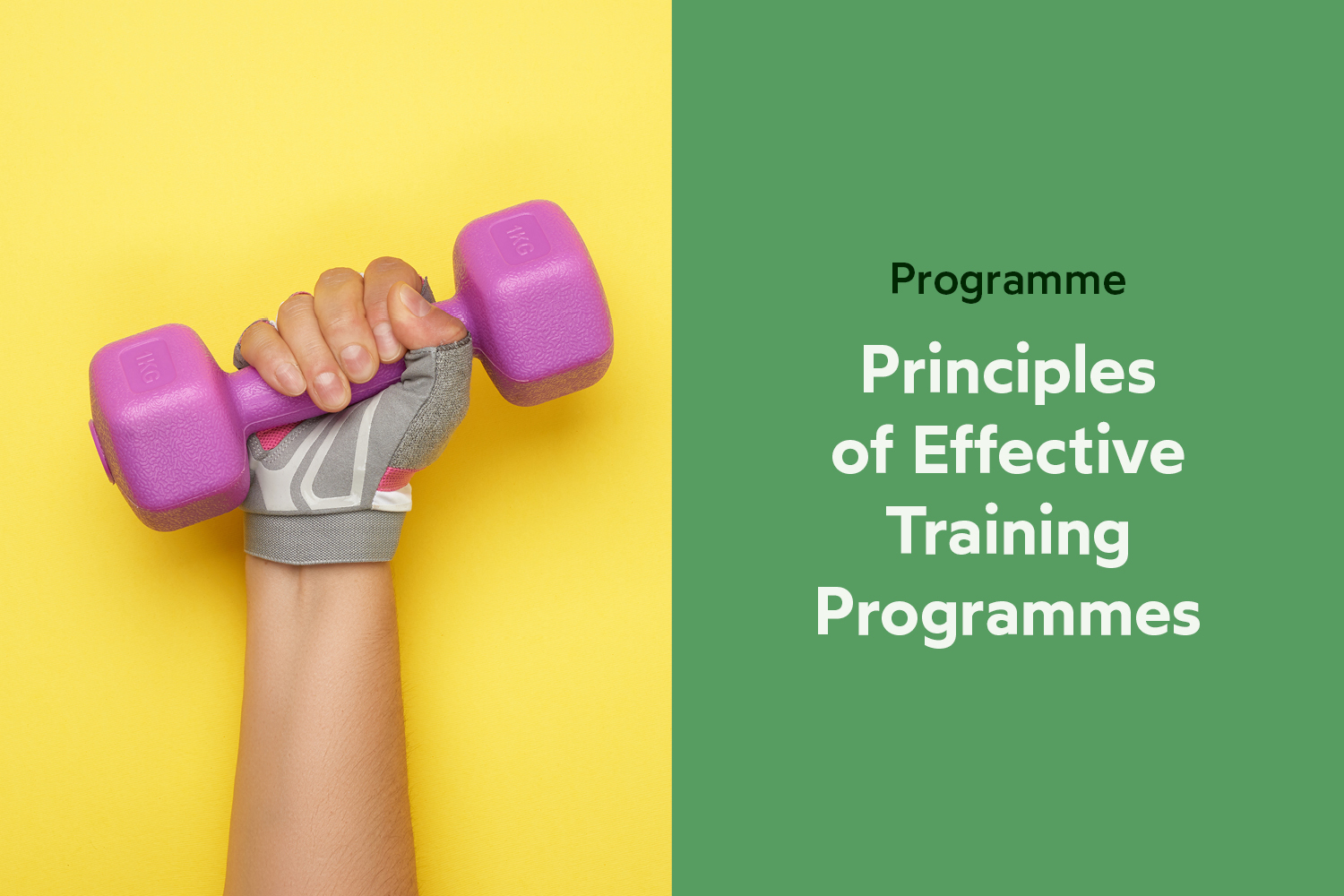
Walking into a gym without a plan is like trying to build a house without a blueprint. You might make progress here and there, but the result will be uneven and hard to sustain.
A well-designed training programme, on the other hand gives structure and direction. It turns random effort into focused progress and ensures that every session builds on the last.
With a clear plan, you work smarter, avoid plateaus, and move steadily towards your goals.
At the heart of effective training are two key principles: specificity and progressive overload.
Specificity means your body adapts to the exact demands you place on it. If your goal is to run faster, you must run. If you want to improve your squat, you must practise squatting. Every element of your programme should align with what you are trying to achieve.
Progressive overload is the process of gradually increasing the challenge over time. This tells your body it needs to grow stronger.
You can achieve it by adding small amounts of weight, performing more repetitions, or improving your technique. The key is gradual, consistent progression. Without it, your body adapts to the workload and progress slows.
These two rules work together. Specificity directs your effort. Progressive overload ensures that effort continues to produce results.
Every individual responds differently to training. The goal is to find your personal “sweet spot” — the right balance of volume, intensity, and frequency.
If the dose is too low, your body has no reason to adapt. Too high, and recovery becomes impossible. The best results come from finding a level of challenge that pushes you forward but still allows recovery between sessions. Tracking your training over time helps you fine-tune this balance.
Listening to your body is essential here. The optimal dose is not static. It will change as your fitness level, stress, and lifestyle evolve.
A smart programme allows for flexibility. Life, energy levels, and stress all fluctuate. Knowing when to push and when to hold back keeps progress sustainable.
This is where fatigue management and autoregulation come in. Training is a stressor, and your body becomes stronger during recovery, not during the workout itself. If you consistently push beyond your ability to recover, performance declines.
Autoregulation means adjusting your training based on how you feel. On good days, you might add an extra set or lift slightly heavier.
On days you are tired or run-down, scaling back intensity can be the smarter move. This adaptable approach prevents burnout and helps you maintain consistency over the long term.
More training does not always mean better results. Strategic rest is an essential part of the process.
Deloads are short, planned periods of reduced training intensity or volume, usually lasting about a week. They give your body a chance to fully recover, repair tissues, and clear accumulated fatigue.
A deload is not a setback. It is an investment. By allowing your body to reset, you return to training stronger, with renewed energy and motivation. Athletes who include regular deloads often see more consistent progress and fewer injuries over time.
Think of it as part of your long-term rhythm: train hard, recover fully, then come back stronger.
Take a moment to look at your current routine. Does it have a clear structure? Does it apply the principles of specificity and progressive overload? Does it include enough recovery to support growth?
A strong programme is intentional. It guides your effort, keeps you accountable, and helps you make steady progress without overtraining.
By building your own blueprint, you move beyond exercise as a random effort. You train with purpose, efficiency, and direction. The result is not just greater strength, but a body that performs better, feels better, and keeps improving for years to come.
